Importing Toys to South Africa: NRCS Letter of Authority, Duties & Wholesale Channels (2026)
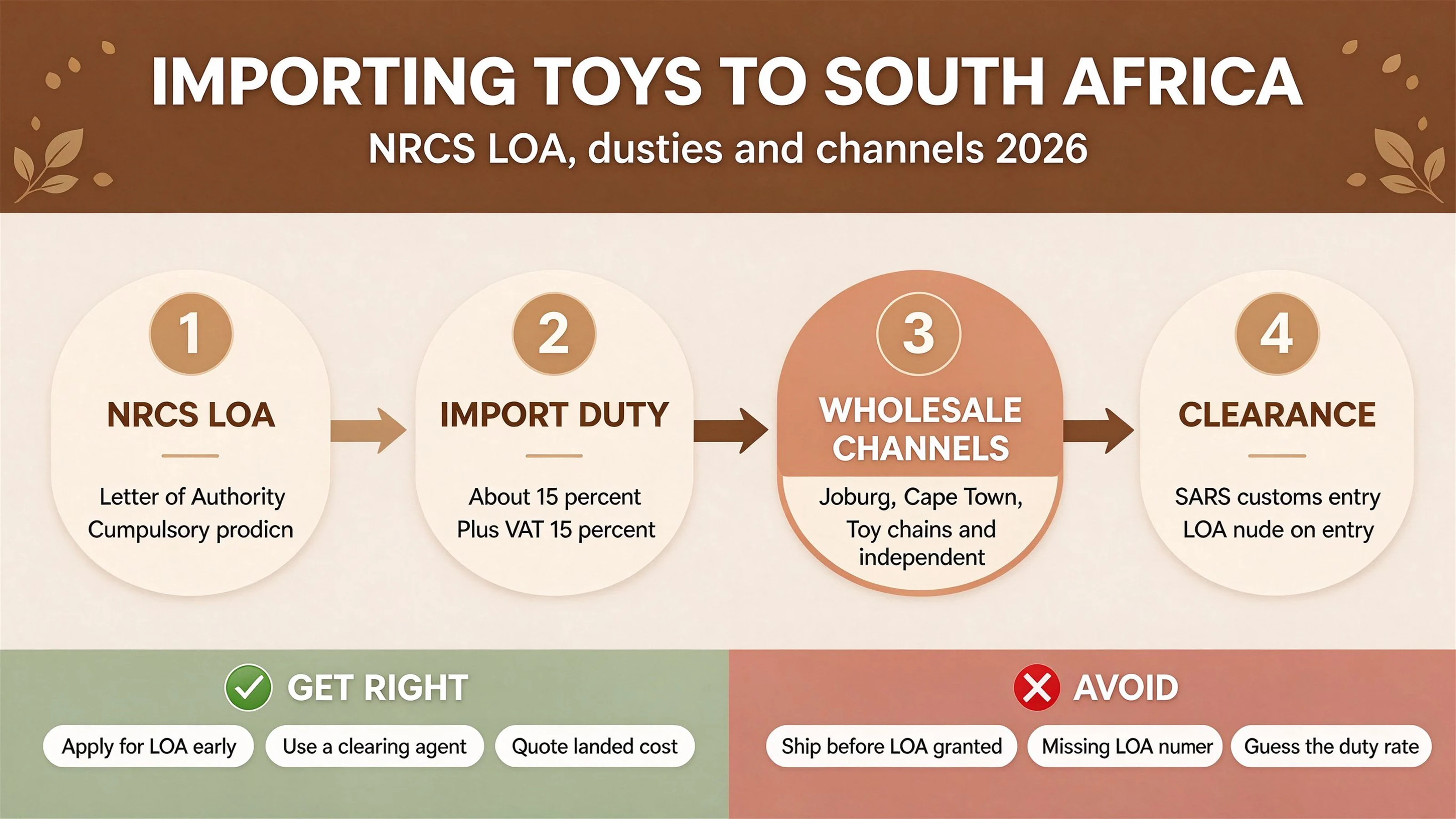
Short answer: importing toys to South Africa turns on a single document you cannot work around. Toys are a compulsory-specification product there, so the NRCS has to issue a Letter of Authority before a container clears. No LOA means no release, and the goods wait at the port while storage runs. The detail that catches overseas suppliers and first-time importers alike is that the application must be filed by a South African legal entity, which puts it in your importer's hands rather than ours.
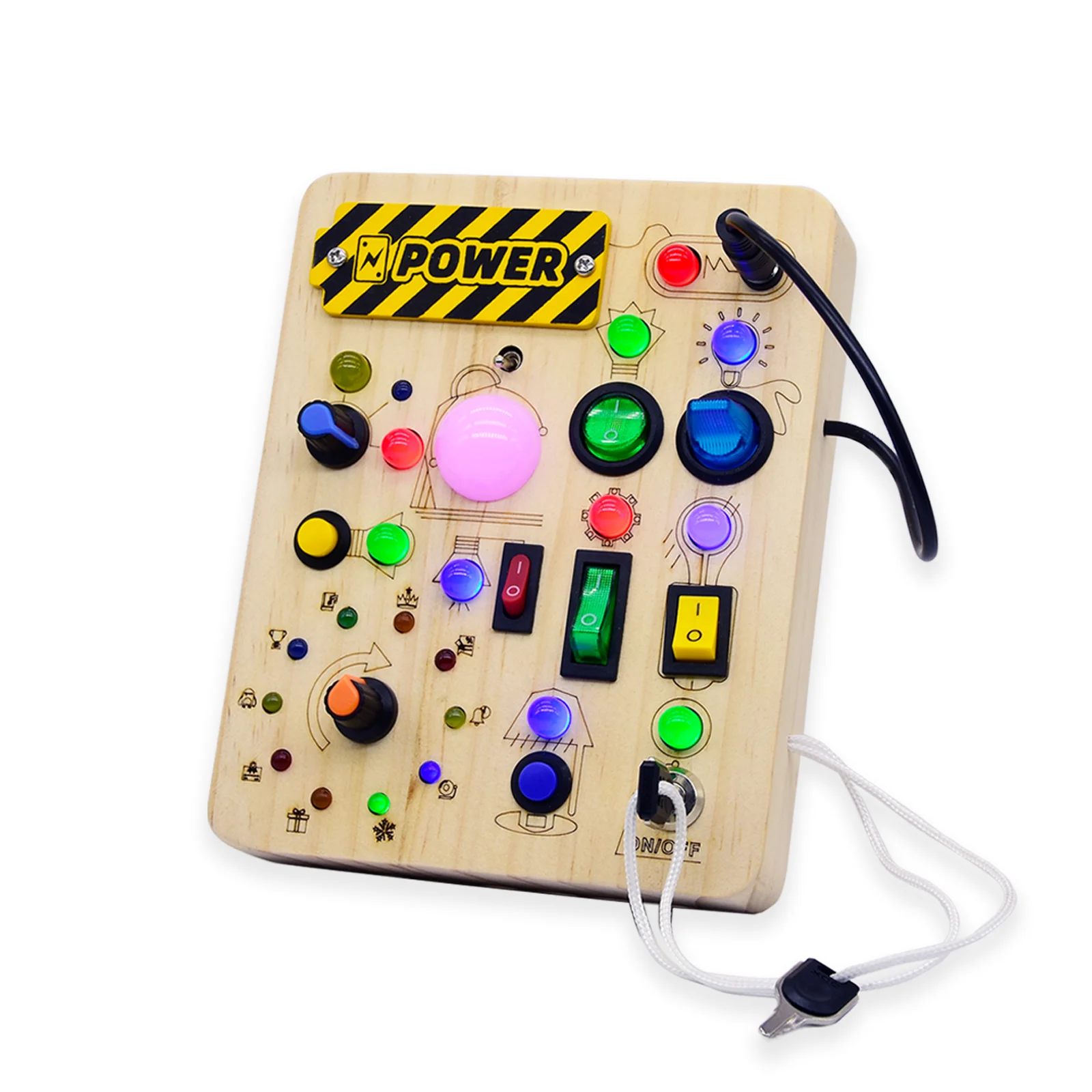
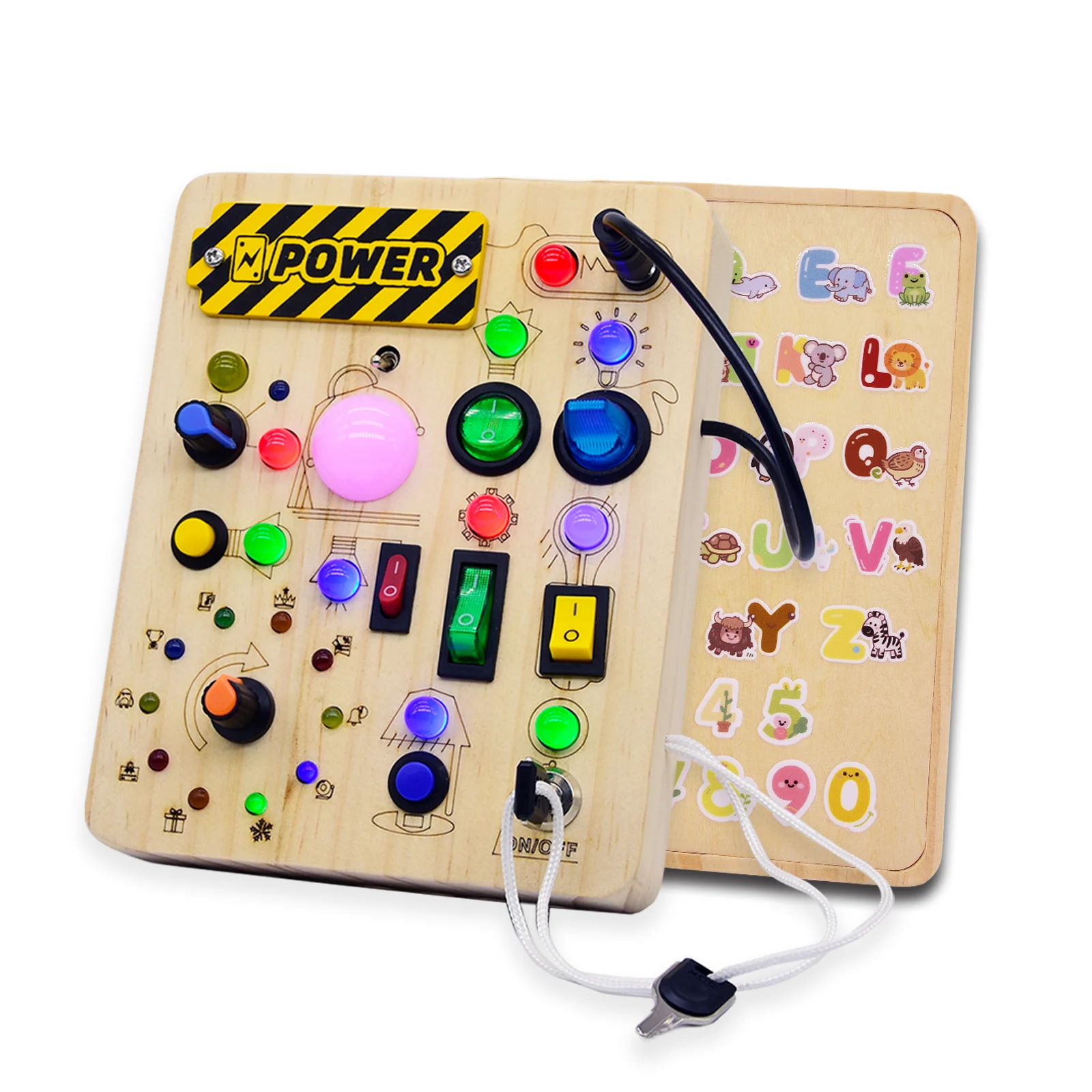
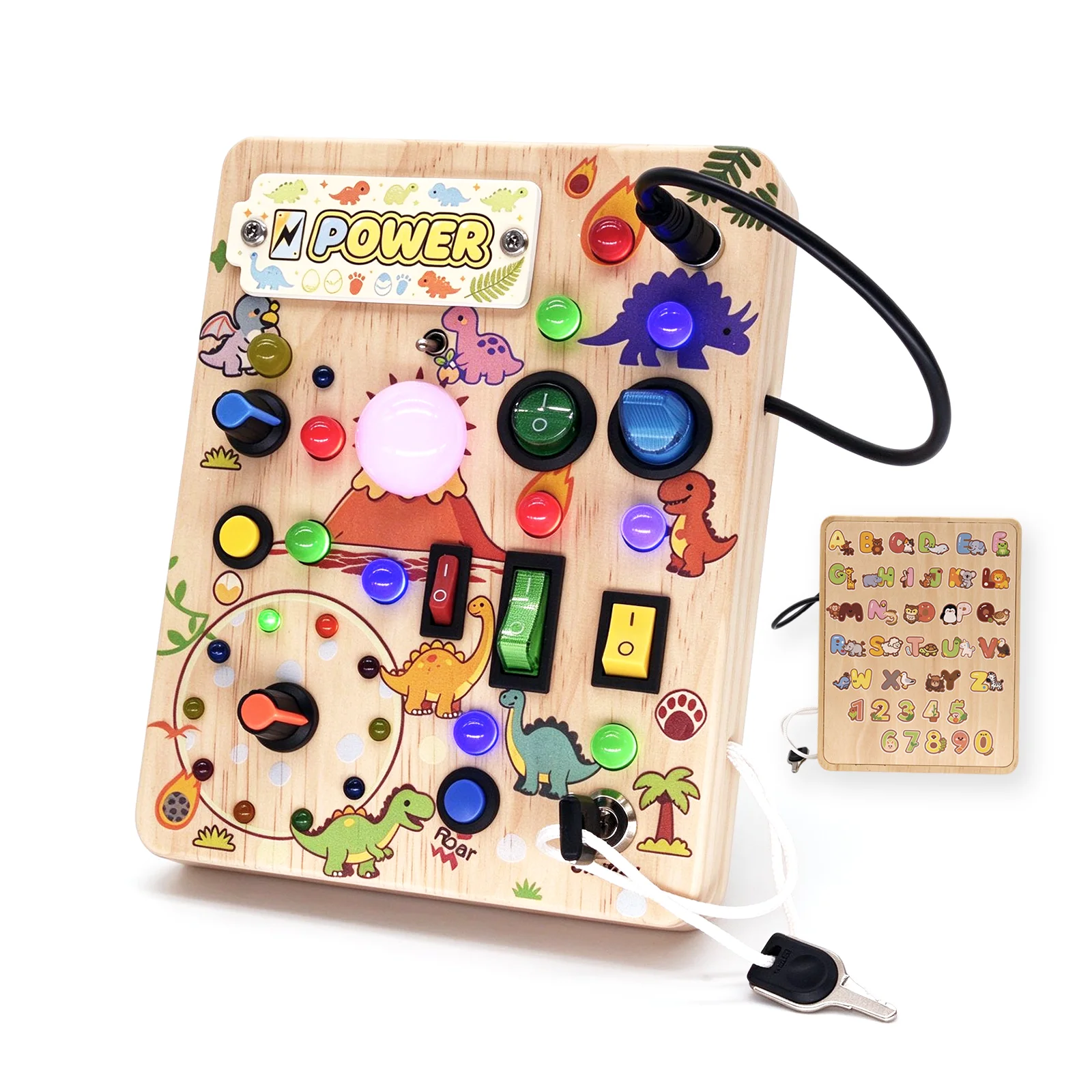
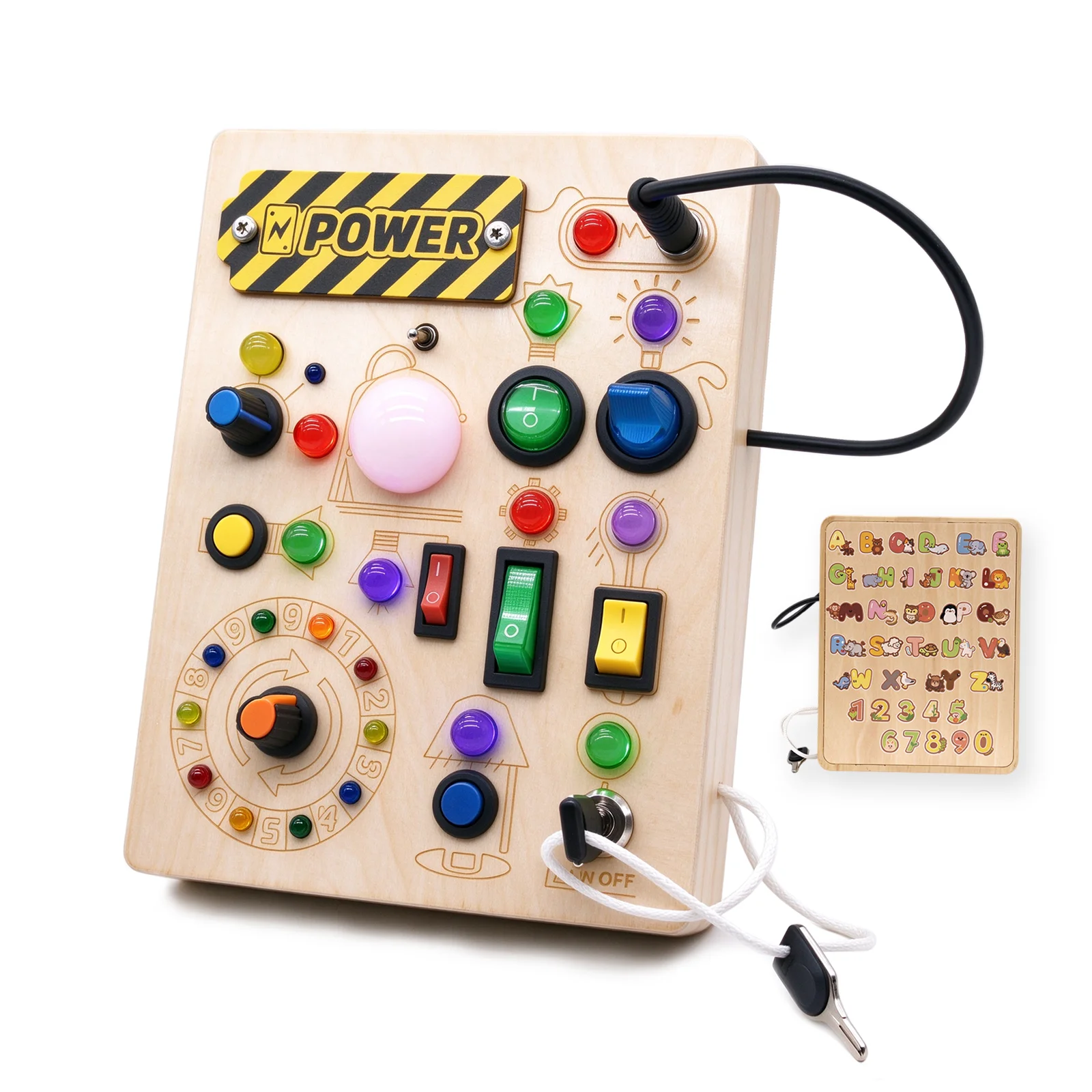
We build wooden LED busy boards in Wenzhou and ship them to more than fifteen countries, so we sit on the supplier side of this table. We cannot file a South African LOA, and we would rather say that plainly than promise something we cannot deliver. What we can do is hand you a clean technical file, current test reports and drawings that make your agent's application faster. Read the rest knowing where our interest sits.
This guide is for the South African importer, the distributor adding a toy line, and the overseas brand trying to work out why a shipment got stuck. It covers the regulator, the duty and VAT arithmetic, where the wholesale buyers are, and the mistakes that stall importing toys to South Africa more often than anything else.
Quick facts
- Regulator: NRCS. Toys are a compulsory specification product, and an LOA is required before customs releases the goods
- Standard: SANS 50071, which follows the EN 71 series; new applications from 1 April 2025 must meet the latest edition
- Applicant: a South African registered company, not the overseas manufacturer
- Border cost: import duty typically around 20% on HS 9503, plus 15% VAT charged on the ATV
- Our boards: FOB $8.90 to $9.50, MOQ 100, sampling 3 to 7 days, production 15 to 25 days
- Certifications: CE / CPC / ST / PSC reports to EN 71 and ASTM F963 on current models
What importing toys to South Africa requires before anything ships
South Africa regulates toys the way Europe does, as a category where a government body signs off before the product can be sold or moved. That body is the National Regulator for Compulsory Specifications, and the sign-off is the Letter of Authority. There is no light-touch self-declaration route a small importer can lean on. If a supplier reassures you with "we have CE, so you're fine", treat the sentence carefully, because CE is a European mark and on its own it says nothing to the NRCS.
The route is fixed even where the details move. You send samples to a laboratory the NRCS recognises, the lab tests to the applicable standard, the results go in with the application, and the NRCS either issues the LOA or asks for more. The standard that matters is SANS 50071, and it tracks the European EN 71 series closely. A board that already passed EN 71 is not starting from nothing, though the test data usually still has to be produced by a lab the NRCS accepts. We wrote a comparison of toy safety compliance under EN 71 if you want the two standards side by side.
A Letter of Authority generally holds for about three to five years, and it is renewed rather than re-earned from scratch. From 1 April 2025 the NRCS tightened a number of its compulsory specifications, and new applications have to be tested against the latest edition of the standard, so if the pack or the lab quote you are holding predates that, ask which edition the test ran against. Our busy board safety certifications guide explains what each mark on our boards covers, which is the part your agent will ask you to prove.
Why the NRCS Letter of Authority has to be filed by a South African company
An overseas manufacturer cannot apply for an NRCS Letter of Authority in its own name. The regulator works with a South African entity: your importer of record, a local agent, or a branch you register. This is the point where importing toys to South Africa stalls most often, and it stalls quietly, because nothing is wrong with the product. A factory in Wenzhou can prepare the file, supply test reports, answer technical questions and confirm the materials, but the signature on the application is South African.
In practice this splits along who you are. If you are a local wholesaler bringing in your own stock, the application is yours and so is the LOA. If you buy through an agent, settle early whether the agent applies in their name or you do, and get that into the arrangement, because the LOA attaches to the applicant and to the model. A document held by an agent who later walks away leaves you re-testing from scratch.
We have watched buyers accept a supplier's offer to "handle the LOA". A foreign factory cannot do that part, and a supplier who claims otherwise is either confused or hoping you are. What it can do is shorten the other half of the process, and our guide to importing busy boards from China lays out that split of duties step by step. Get the technical file right at the start and the local application becomes mostly administrative.
Duty, VAT, and how the ATV is really calculated
Toys are classified under HS 9503. Under the SACU tariff the import duty on toy lines usually sits around 20%, though it varies by subheading, so confirm the rate against the current tariff book for your exact code before you promise a retail price to anyone. Then comes the part that catches people out: imported goods also carry 15% VAT, and that VAT is not calculated on the CIF value on its own.
The base is the ATV, the value used for VAT purposes. It is the CIF value plus a 10% upliftment for goods that do not originate in the SACU region, plus the duty. Because the duty sits inside that base, it feeds into the VAT and the two compound. A worked shape makes this clearer than a definition. Take a shipment with a CIF value of R100,000. The upliftment adds R10,000. Duty at roughly 20% adds about R20,000. The ATV is therefore about R130,000, and VAT at 15% comes to roughly R19,500. All in, that is close to R39,500 paid at the border on top of what you paid the factory.
| Border step | Basis | Illustrative amount |
|---|---|---|
| Customs value (CIF) | goods + freight + insurance | R100,000 |
| Upliftment | 10% on non-SACU origin | R10,000 |
| Import duty | around 20% on toys | R20,000 |
| ATV | CIF + upliftment + duty | R130,000 |
| Import VAT | 15% of ATV | R19,500 |
| Total at the border | duty + VAT | about R39,500 |
Treat those figures as a worked shape rather than a quote, since rates move with the subheading and the origin. Customs and the collection itself are handled by SARS, so the assessment you receive at the port is theirs. It is worth having a clearing agent who explains that assessment line by line, because a misclassified subheading is the kind of error that survives right up until the audit.
Where toys wholesale South Africa buyers actually sit
If you are an overseas supplier hunting a distributor, or a brand mapping the trade, the geography decides a lot. Toys wholesale South Africa runs through three centres. Johannesburg is the hub, with Sandton for the commercial end and City Deep for the warehousing and depot yards that feed it. Cape Town covers the Western Cape and usually brings stock in through its own port. Durban handles KwaZulu-Natal and sits on the busiest container terminal in the country. Most importers clear at Durban or Cape Town and move stock inland, so a Johannesburg wholesaler with City Deep warehousing is often the shortest route to national retail.
The direction of trade is worth noting too. South Africa imports the large majority of its toys, and China is the dominant source, so the toys wholesale South Africa trade is a business built on import. The importers who understand the LOA and the ATV arithmetic are the ones who can quote a retail price and hold it through a currency move. For a supplier, those are the buyers worth investing technical-file effort in, because they reorder.
The mistakes that stall importing toys to South Africa shipments
We hear these second-hand, from buyers who come to us after a bad run with another workshop, but the pattern repeats.
The most common reason a Chinese toy shipment is refused or turned back is not the toy. It is the label. A product sold into South Africa needs to carry the manufacturer or importer details, the age grading, batch information and the warnings, and the local authorised representative has to be identifiable. When that information is missing, vague or wrong, the container stops at the border, and getting it released costs more time than printing the labels correctly would have. If you import under your own name, that label is your responsibility, and a supplier who prints a generic blank label is handing the problem to you.
Running it a close second is testing against the wrong thing. A report that names a different model, or an older edition of SANS 50071, does not support the application. Boards differ inside a range, so the model number on the certificate has to match the model in the container. Third, filing the application in the wrong name, which is the stall covered above that reads like a rejection. And fourth, assuming CE covers South Africa, when it does not speak to the NRCS at all.
None of this is exotic. It is the ordinary paperwork of importing toys to South Africa done carelessly, and it is why we would rather slow a first order down for a week than send it out on a thin file.
Landed cost and order tiers on our boards
Our three wooden LED busy boards sit close together on price. The Classic is $8.90 FOB, the Alphabet $9.20 and the Dino $9.50, all at a minimum of 100 pieces. What moves your minimum is customisation rather than the theme: your own artwork or engraving takes you to 200 pieces, and a full OEM run with your box, barcode and brand sits at 500 to 1,000 depending on the setup. Recommended retail is $20 to $35, and the South African duty and VAT have to fit inside that spread rather than be bolted on top of it.
| Order tier | Quantity | What changes | Unit price |
|---|---|---|---|
| Trial | 100 | catalogue board, stock artwork | $8.90–$9.50 FOB |
| Custom artwork or engraving | 200 | your design, engraved back panel | base plus artwork charge |
| Full OEM / private label | 500–1,000 | your colour box, barcode and brand | quoted per spec, falls with volume |
Sampling runs three to seven days and the cost is credited back against the bulk order. Production runs fifteen to twenty-five days after the deposit and the approved artwork. Across the orders we track, on-time shipping sits near 98%, rounded from our own delivery log. Every board uses solid pine or beech with edges sanded round, and the platform carries twelve mixed switches, twenty-three lighting modes and a 2 × AAA battery box that ships empty on purpose, because packed cells pull a toy into battery-handling paperwork that lands on the importer.
Two things are worth doing before you commit. If you are comparing workshops, our guide to choosing a busy board supplier turns the general advice into questions you can send to each one. And if the retail price is your worry, the packaging and shipping guide covers how the box, the label and the barcode behave on a shelf, which is where most of a return decision gets made. The Alphabet learning busy board page carries the current spec sheet if you want to forward a model to your agent while you sort the LOA.
Questions buyers ask us every week
Do I really need an LOA, or can I clear without one? You need it. Toys are a compulsory specification product, and the NRCS has to issue the Letter of Authority before the goods are released. Turning up without one is the single fastest way to have a container held, and the storage bill during a hold is not a number anyone enjoys explaining.
Can the Chinese factory apply for the LOA on my behalf? No, and we are direct about this because it is the question that wastes the most time. An overseas manufacturer cannot be the applicant. The application belongs to a South African entity, so it sits with your importer, your agent or your local branch. We supply the technical file that makes that application possible, and we are honest that this is the limit of what a foreign factory can do.
How long does the whole thing take? The test-and-issue cycle depends on the lab's queue and on how complete your file is, and it commonly runs weeks rather than days. The variable you control is your own paperwork. Get the model's reports and material declarations into your agent early and the door opens sooner.
Is CE enough for South Africa? CE is a European conformity mark. It does not address the NRCS on its own, even though EN 71, which underpins CE, is closely related to SANS 50071. A CE-era test report is a useful starting point for your LOA file, but it is not a substitute for the LOA.
Where should I look for a wholesale distributor in South Africa? Start in Johannesburg, specifically around Sandton and City Deep, because that is where the trade concentrates and where a wholesaler can serve national retail. Cape Town and Durban cover their regions and their own ports. For a supplier, these are the buyers who already understand importing and valuation.
What we'd do in your position
If I were a South African importer bringing in a wooden busy board, I would settle the applicant question before I sent a single rand anywhere. Decide who files the LOA, confirm that entity is ready to hold it, and only then talk price with the factory. The order of those two steps is what keeps a container moving instead of waiting.
Next I would build the landed cost from the bottom up rather than the retail price down. FOB, plus freight to Durban or Cape Town, plus duty at the subheading rate, plus VAT on the ATV, and only then a margin. A price set from the retail end is how a shipment ends up profitable on paper and thin at the till.
After that, I would order 100 pieces of one model to hold the file and the label up against a real container, put it on a shelf, and wait for the answer that is not a sales figure but a second order. If the wholesaler comes back before your LOA file is even filed, the product has done its job. If both look right, the next order carries your own artwork and the engraved back, because by then you know the board sells and the LOA is already yours. If you want the specs and the print files to get the application moving, ask us for the model's test reports and material declarations by name, and they go out the same day.
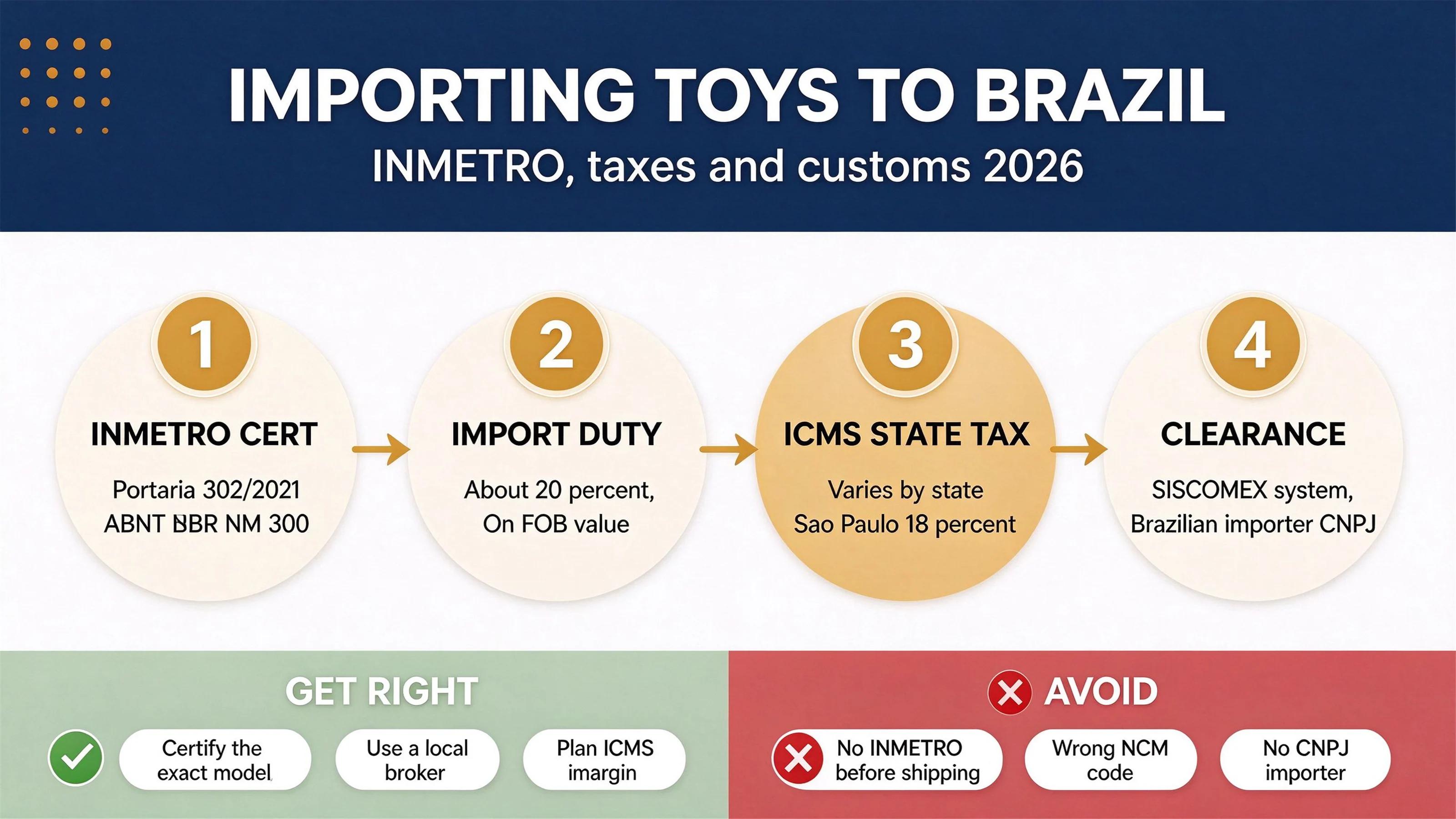
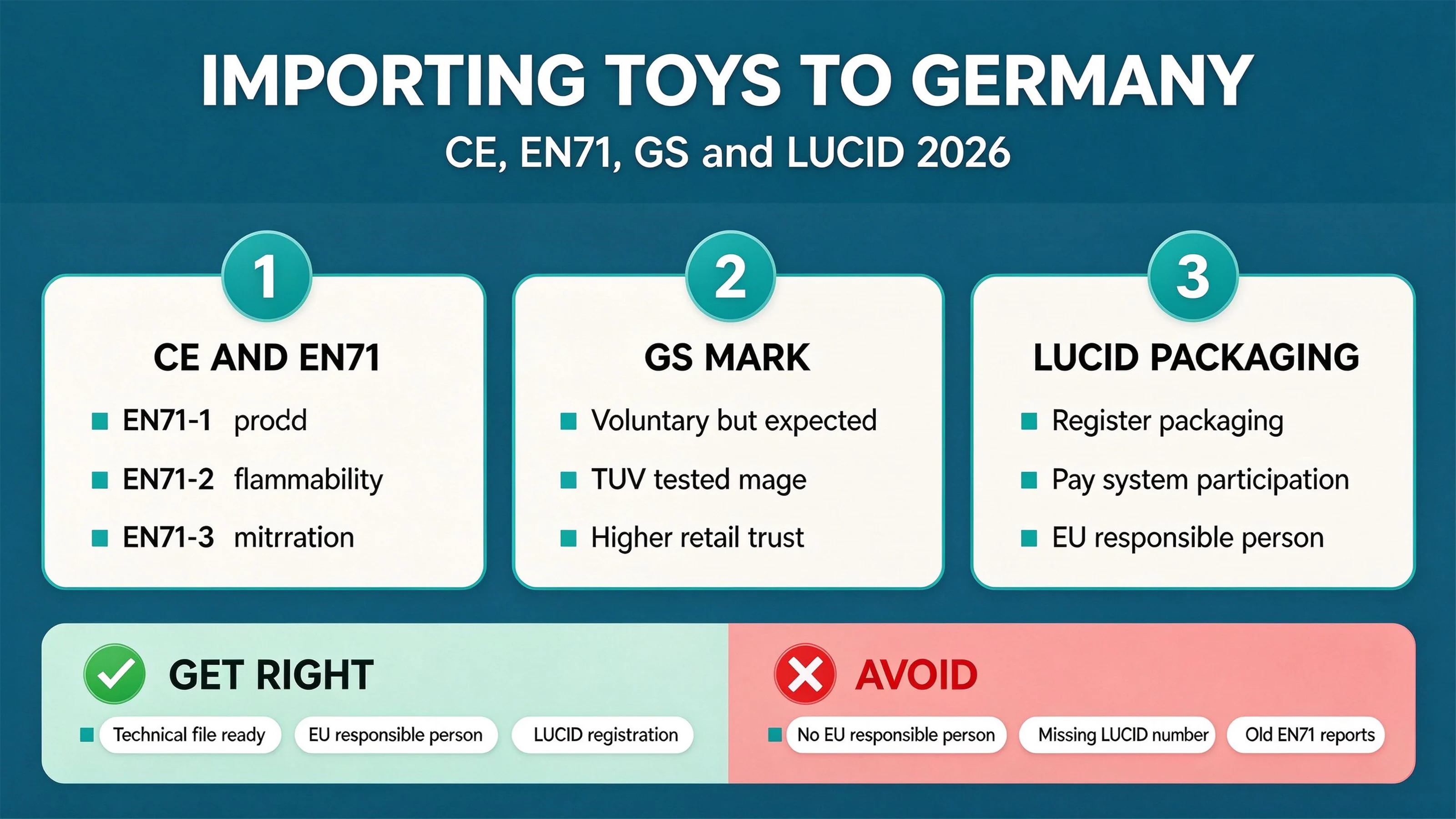
Related, and worth opening before you commit: Importing Toys to Brazil: INMETRO Certification, Taxes & Customs (2026), then Importing Toys to Germany: CE, EN 71, GS Mark & the Packaging Act (LUCID) (2026), and if the numbers are the sticking point, Busy Board Import Duty & HS Code: What Importers Actually Pay.