Busy Board Import Duty & HS Code: What Importers Actually Pay
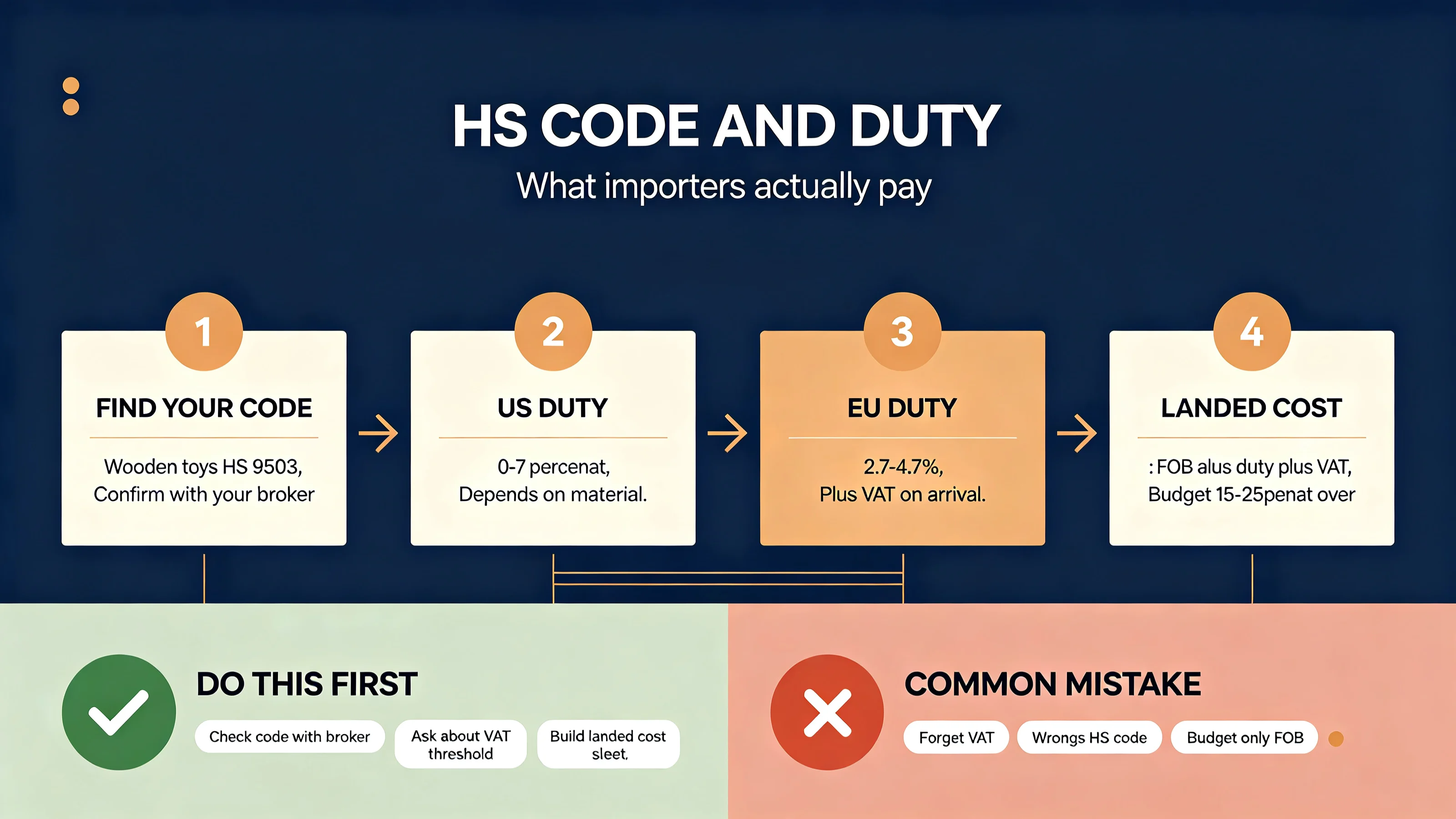
Short answer: the busy board HS code is almost always found under heading 9503.00 in Chapter 95, the chapter for toys, not Chapter 44 where the wood physically lives. That line on your customs entry decides your duty rate, whether your test reports are recognised, and how hard your container gets looked at. Base toy duty is low in both the US and the EU. The costs that actually bite are the add-on tariff, the import VAT, and the freight and port charges that never appear on a factory quote. Every rate below is a range, dated as of publication on purpose. Rates move, and your broker's ruling on your exact subheading beats anything written here, including from us.
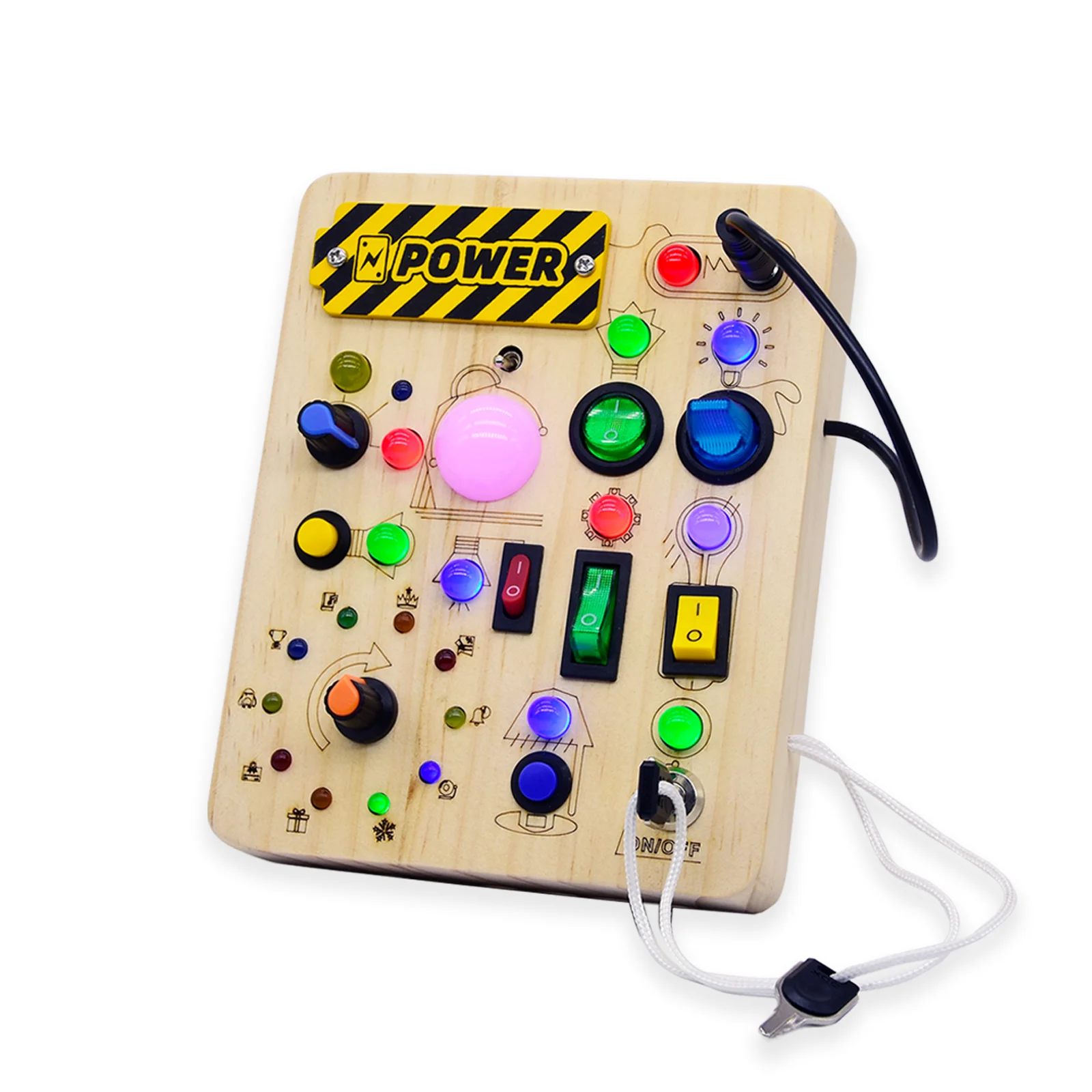
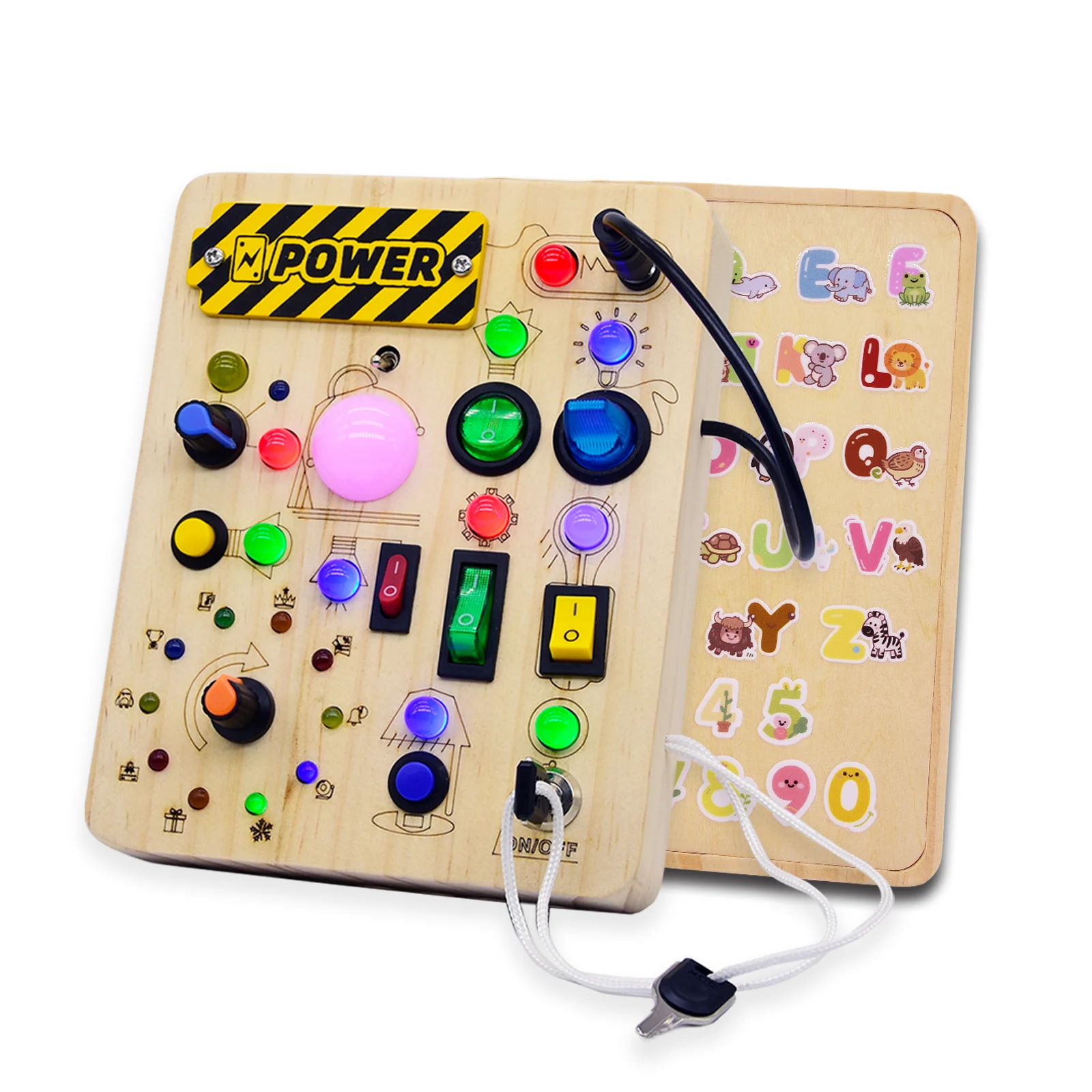
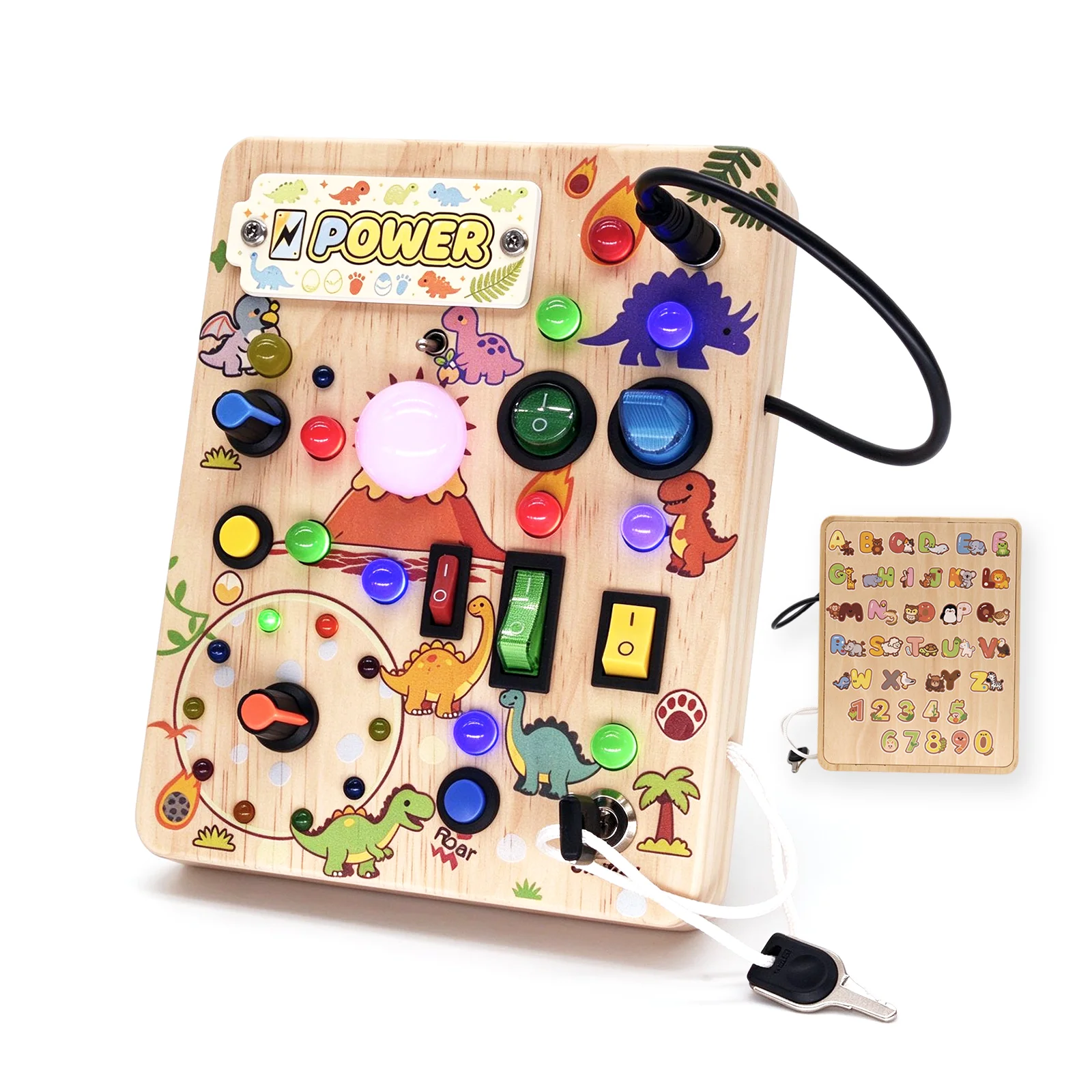
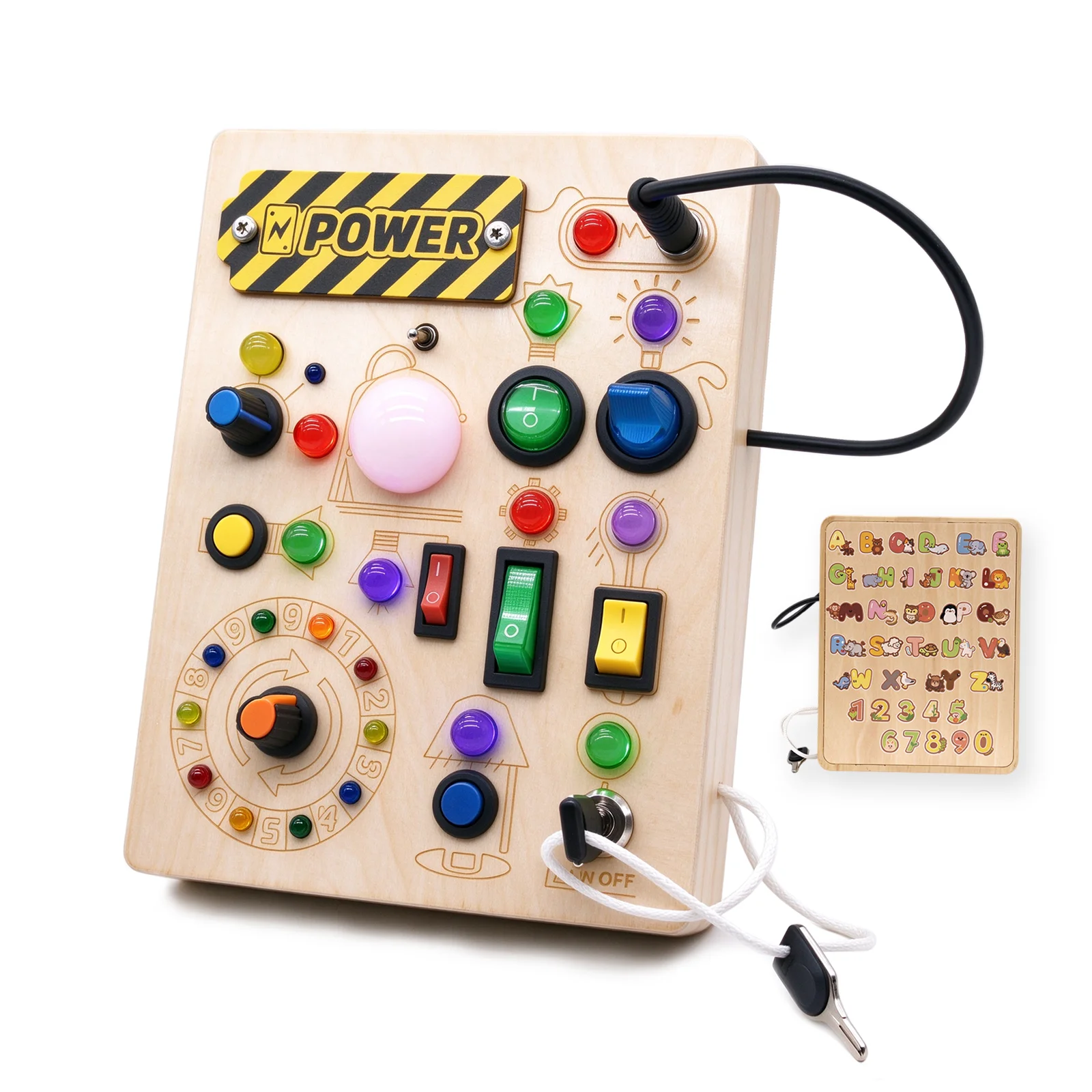
We build these boards in Wenzhou — the Classic, Alphabet and Dino models — and ship into the US and the EU most weeks. Read on knowing we have an interest in you importing more, not less.
The quote and the landed cost are different numbers, and the gap is where first-time importers get their surprise. A board quoted at $8.90 FOB does not land in your warehouse at $8.90. This is about closing that gap before you commit to a container.
Quick facts
- HS classification: typically heading 9503.00 (Chapter 95, toys), not Chapter 44
- Base toy duty: often 0%–4.7%, depending on market and subheading
- US add-on tariff: Section 301 has applied to many Chinese toys — confirm the current figure for your line
- EU import VAT: typically 17%–27% at the destination rate; recoverable if you're VAT-registered
- Compliance gate: CE and EN 71 (EU); a CPC built on ASTM F963 (US)
- Landed cost: FOB + freight + insurance + duty + VAT + port charges + inland haulage
Why the busy board HS code is 9503, not Chapter 44
Buyers see a wooden product and reach for Chapter 44, the chapter for articles of wood. It is the wrong one.
The Harmonized System classifies goods by what they are, not by what they are made from, when the two disagree. A busy board is cut from pine or beech, but it is designed and sold as a toy. It lights up, it is handed to a two-year-old, it sits in the toy aisle next to the building blocks. That essential character puts it in Chapter 95, under heading 9503.00, which covers toys not otherwise specified and stands alongside tricycles, scooters and dolls.
The wood matters only as the material of a toy, not as a wood article in its own right. A wooden frame, a wooden stool, a wooden crate can belong in Chapter 44. A wooden toy does not. Within 9503.00 your broker then picks the subheading that fits the model, and for a general wooden activity board that is typically the broad toys line rather than the lines for dolls or scale models. The exact 10-digit code in the US and the 8-digit code in the EU is your broker's call. Make them say the number out loud and write it on the entry.
Get the busy board HS code wrong and the consequences arrive slowly and expensively. A different duty rate. An add-on tariff that may or may not have applied to the line you used. A shipment held while someone asks questions, and in the worst case retroactive duty plus interest and a penalty. There is a quieter problem too: your CPC or CE paperwork describes a toy, so an entry that reads "wooden article of manufacture" has the documents and the entry describing two different products, which is exactly what an audit looks for.
US import: Section 301, the CPC, and the de minimis question
Section 301
The US base duty on many toys under 9503.00 is low, sometimes zero. That is not where the cost sits. Section 301 added a tariff on a large share of Chinese-origin goods, toys included, on top of the base rate. The add-on has been revised more than once and differs by list and subheading, so treat it as a range and confirm the current figure with your broker. It is charged on the customs value — the price you paid, plus certain additions — not on your retail price, which is the assumption that makes people over-budget.
The CPC
Children's products carry a second requirement: the Children's Product Certificate, or CPC. The importer or manufacturer issues it, and it must rest on third-party testing at a CPSC-accepted laboratory against the applicable child-safety rules, including ASTM F963 for toys. It is not the same document as the lab test report, but you cannot write a valid CPC without one. It has to name the correct product and model, and it travels with the shipment. A certificate built on a report for a different model is worth nothing.
De minimis
The de minimis threshold is the low-value level below which the US has historically admitted goods with no duty and minimal paperwork. It is why a single sample often turns up at your door with nobody asking for money. That threshold and its treatment have been adjusted repeatedly in recent years, so verify the current position before you build on it. For planning, one point stands: an order of 100 boards is far above any de minimis line and will be entered and assessed as a commercial shipment.
EU import: duty, import VAT, and why CE / EN 71 is a customs gate
Duty and import VAT
EU duty on toys under 9503.00 is low — many subheadings sit at 0%, some around 4.7% — so treat it as a range and let your broker confirm your code. The line that changes your cash position is not duty. It is import VAT.
Import VAT is charged at the destination member state's standard rate, typically 17% to 27%, and it is calculated on the customs value — for most member states the CIF value plus duty and certain additions. If you are VAT-registered it is normally recoverable, which turns it from a cost into a cash-flow item. It is still real cash out at the port, and plenty of importers forget to budget the two thousand dollars that clears a container before the goods move. If you are not VAT-registered and selling direct to consumers, it is simply gone.
CE, EN 71 and your EORI
Two things are prerequisites rather than costs, which is why they catch people out.
CE marking and EN 71 reports come first. A toy placed on the EU market has to meet the Toy Safety Directive, and the CE mark plus EN 71 testing is how you show that it does. This is also a customs gate: a shipment that looks compliant but arrives without documentation can be stopped while the paperwork is examined. We keep CE and EN 71 reports current on our three models, and we can point to what each mark and report actually covers before you assume a factory's file is complete.
Your EORI number comes second. To act as importer of record and clear goods in the EU you need an Economic Operators Registration and Identification number. Without one, your goods sit in the port. It is free and takes a few days, so get it before your first container.
How to calculate your landed cost (a worked example)
Landed cost has seven parts, and a factory quote covers the first one only: FOB, then freight, insurance, duty, VAT, destination port charges and inland haulage. Only the full stack gives you a per-unit number worth comparing to a retail price.
Here it is with numbers. A batch of 1,000 Classic boards at $8.90 FOB Wenzhou, shipped to Rotterdam and cleared in the EU. The duty and VAT figures are illustrative placeholders, not quotes — swap in the real rates for your line.
| Cost element | Example, 1,000 boards (USD) | Share of landed cost |
|---|---|---|
| Goods (FOB Wenzhou) | 8,900 | ~68% |
| Ocean freight to Rotterdam | 1,000 | ~8% |
| Marine insurance | 50 | <1% |
| Duty (illustrative 4.7%) | 470 | ~4% |
| Import VAT (illustrative 20%) | 2,080 | ~16% |
| Destination port charges | 300 | ~2% |
| Inland haulage | 250 | ~2% |
| Landed total | ~13,050 | 100% |
| Landed cost per board | ~$13.05 | — |
Two things stand out. Freight and duty are smaller than most first-timers fear; VAT is bigger than almost anyone plans for. And the total of roughly $13.05 a board sits about 47% above the $8.90 FOB price. Budget the quote and nothing else and you are short by nearly half your cost before you sell a single unit.
One honest footnote: if you are VAT-registered, that $2,080 comes back as an input-VAT reclaim, which drops net landed cost to near $11 a board. If you are not, it does not come back, and it belongs in your margin from day one.
A US example differs in the details, not the shape. No VAT line, but the Section 301 add-on can run higher than the EU's duty, plus US port and drayage costs. The container shifts the freight line too: a 20ft box typically holds a few thousand boards depending on carton size and a 40ft high-cube roughly double. If you want how carton dimensions move the loading and the ocean leg, that is in our packaging and shipping guide.
FOB vs CIF vs DDP: where the risk actually sits
The Incoterm decides three things the price hides: who books the freight, who clears customs, and who is the importer of record — the party the authorities come to when something is wrong.
| Incoterm | Who books freight | Who clears customs | Importer of record | Your main risk |
|---|---|---|---|---|
| FOB | You | You | You | Freight-rate swings; you own the goods once they are on board |
| CIF | Seller, to your port | You | You | Seller picks the cheapest routing and minimum insurance cover |
| DDP | Seller | Seller | Usually the seller | Declared value and code are out of your sight; VAT often unrecoverable |
FOB means you control the freight and can see the real cost of it, and you can shop forwarders. You also own the goods from the moment they are on board, so a rate spike between booking and sailing lands on you.
CIF is easier and it is where most first orders land. The factory finds a vessel and insures the cargo to your port. The catch is that the freight they book is the cheapest that still arrives, and the insurance is usually the minimum the rule allows. You still clear customs and pay duty and VAT at your end.
DDP is the one to slow down on, and it is the most common trap. A duty-paid-to-your-door price is attractive and sometimes entirely genuine. But when you buy DDP the seller is usually the importer of record, which means the seller decides what customs value and which HS code get declared. If the price lands well below your own landed-cost maths, one of two things is happening: the seller is taking a thin margin to win the order, or the shipment is being declared at a value or under a code that does not match reality. When customs later reassesses, your goods are held and your name is at the receiving end of the conversation. You also lose the VAT reclaim, because you were never the importer it was charged to. A DDP price 20% under your own numbers is not a saving you keep.
Ask any DDP supplier to state, in writing, the HS code and the declared value they will use. The honest ones put it on the quote. The ones that go quiet have already answered. To sanity-check a too-cheap landed figure against something real, our busy board wholesale price guide lists our own FOB numbers.
The documents a busy board shipment actually needs
The same short list clears a normal toy shipment in any market. Miss one and the container waits.
- Commercial invoice. Description, HS code, quantity, unit value, currency, Incoterm and origin. Customs assesses the code and value from this document, so get it right.
- Packing list. Carton count, weights and dimensions, so forwarders and customs can check the invoice against reality.
- Bill of lading (or air waybill). The carrier's receipt and the contract of carriage; without it the goods cannot be released to you.
- Certificate of origin. Where the goods were made. It drives preferential or punitive tariff treatment and is the document a Section 301 assessment turns on.
- Test reports. EN 71 for the EU or ASTM F963 for the US, naming the model you are actually importing.
- CPC (US) or CE declaration of conformity (EU). The compliance statement that sits on top of the test reports and has to match the shipment.
- ISPM 15 treatment for solid-wood packing. An untreated, unstamped pallet can hold an entire shipment.
A fuller walkthrough of the sequence, from PO to warehouse, is in how to import busy boards from China. Draft these before the goods leave the factory.
Where importers get the busy board HS code wrong
A few mistakes show up again and again, and none of them is exotic.
Copying the supplier's busy board HS code onto the entry without asking why. The importer of record is liable for the classification, not the factory, and a supplier who has never cleared into your country is not your best source for your tariff line.
Assuming wood means Chapter 44. It does not, and the wrong chapter pulls in the wrong duty rate and the wrong paperwork expectations.
Pricing on the quote. FOB is a starting point, not a budget. If your margin model stops at the FOB number, landed cost quietly eats the difference.
Treating a DDP number as your budget without knowing what it contains. A price that hides the declared value hides the risk with it.
A paperwork mismatch: a CE or CPC document naming one model and an entry naming another, or an invoice description that does not read like the code you filed.
Forgetting the VAT cash flow. Even recoverable VAT is cash you find at the port, weeks before your customer pays.
And not checking whether the add-on tariff currently applies to your line, so you price a container on last year's rules and get a surprise at the port.
Questions buyers ask us every week
What busy board HS code should be on my entry? For a wooden LED activity board, typically 9503.00 in Chapter 95, with the exact subheading set by your broker. If a supplier hands you a Chapter 44 code without explanation, ask why.
My supplier's DDP price is well under my own maths. Should I take it? Ask for the declared value and the HS code in writing first. If they will not give them, that is your answer. A DDP price that beats your landed-cost calculation usually means something is being declared incorrectly, and the exposure lands on the goods.
Do I pay duty on samples? Often not, if the sample is genuinely low-value and shipped by courier under the de minimis threshold. But ten boards is a commercial shipment wearing a sample label.
Can I just use the HS code the factory gives me? You can, and you carry the liability if it is wrong. The importer of record is responsible for the classification. Treat the factory's code as a suggestion and have your broker confirm it.
Is the CE report enough to clear customs in the EU? Necessary but not sufficient. You also need your EORI number, a correct value declaration, and any extra documentation the member state asks for.
Who actually pays the duty, me or the factory? Whoever is the importer of record. On FOB and CIF that is you. On DDP it is usually the seller, which is exactly why DDP terms deserve a hard look.
What we'd do in your position
Get the HS code in writing from your broker before you place the purchase order, and make it the first line of your landed-cost sheet. One email now saves a held container later.
Then build the landed cost in full, even roughly: FOB, freight, insurance, duty, VAT, port charges, inland. For most buyers the honest answer is that the product still works once the VAT comes back, and looks thinner if it does not, and you want to know which before the goods are at sea.
If a quote looks too good on an all-in basis, do not argue with it. Ask for the code and the declared value and let the answer decide. If you want the numbers run for your quantity, port and market, send us those three and we will quote the goods and tell you plainly which parts of the landed cost we cannot control.
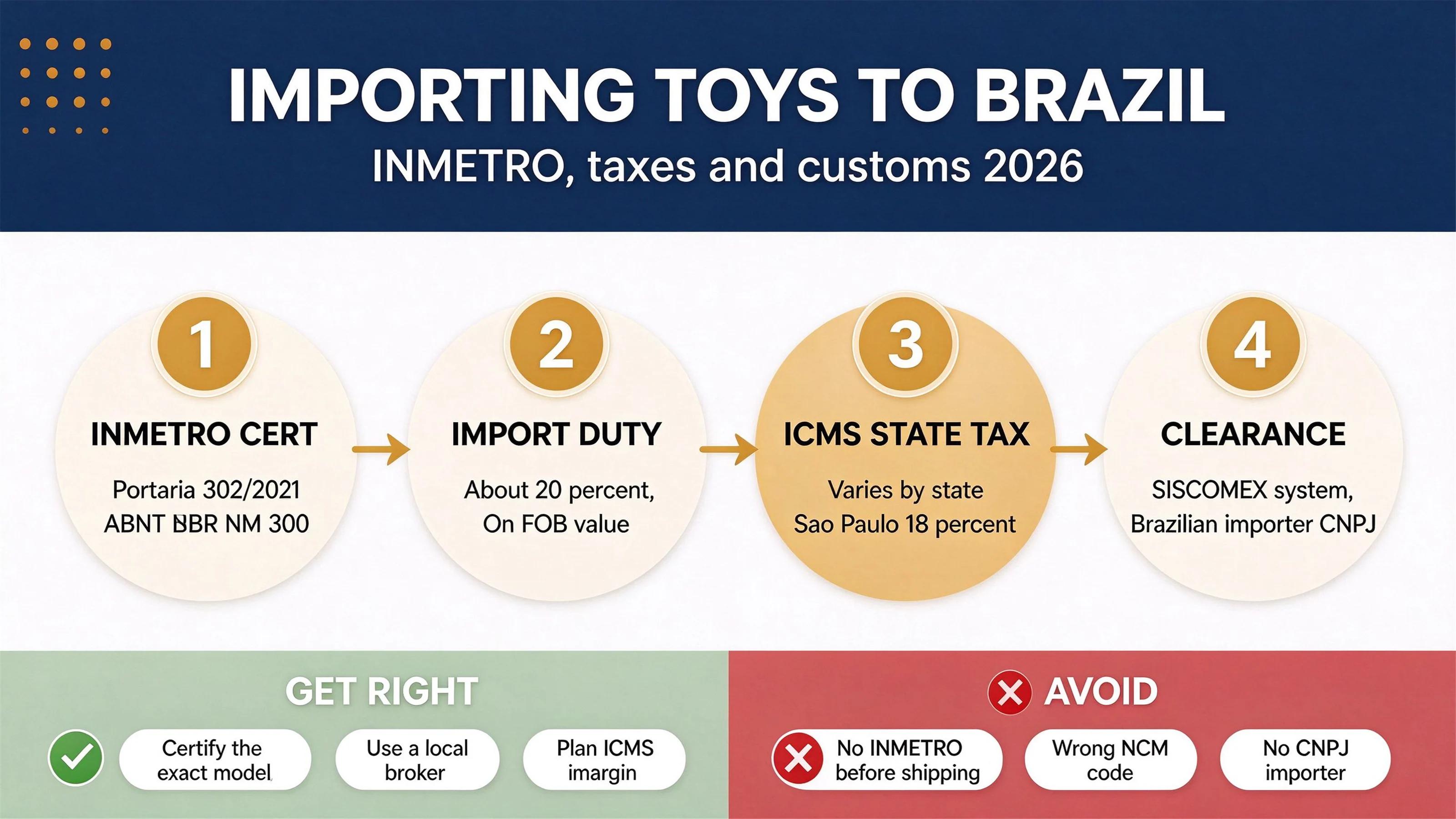
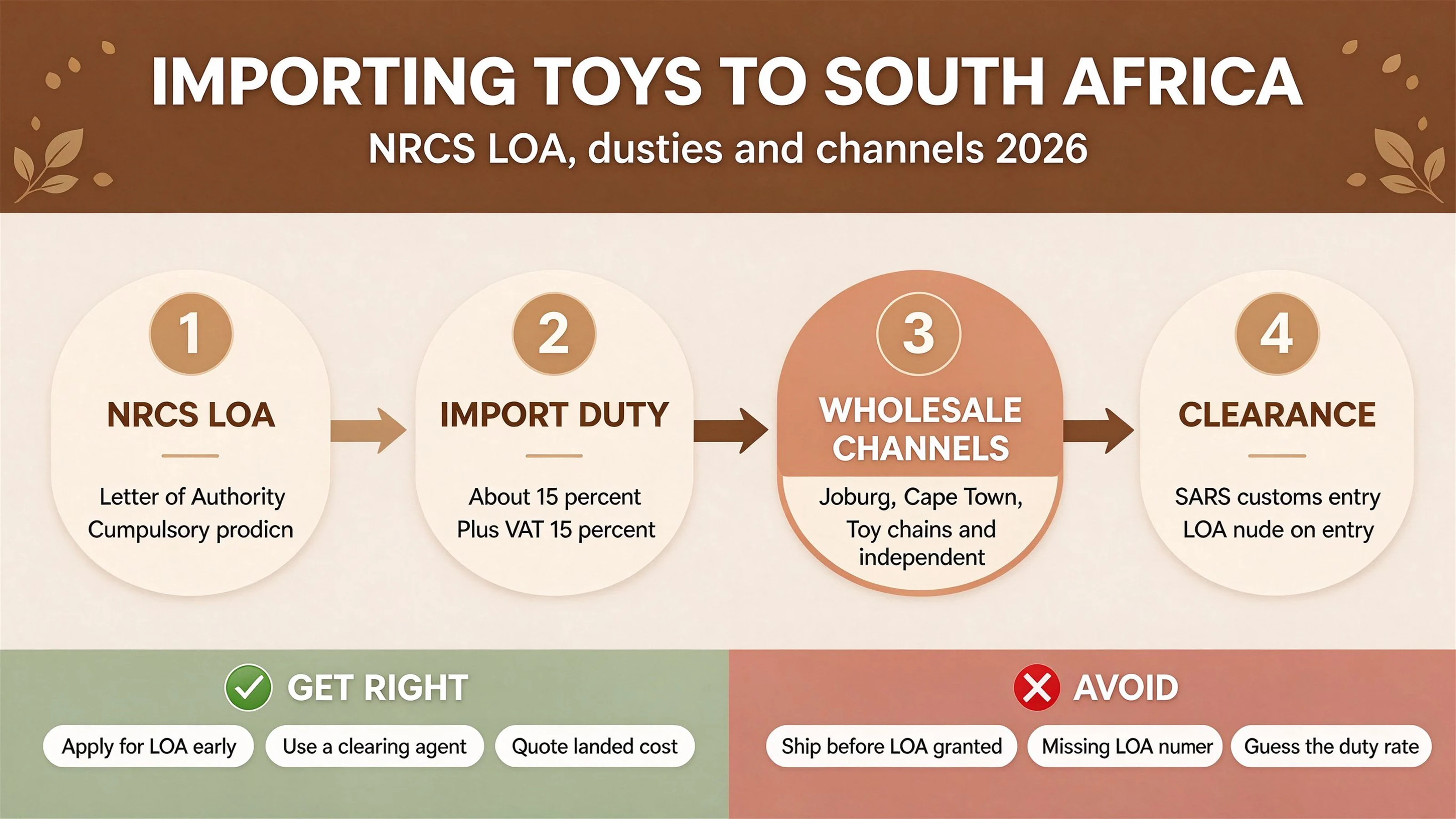
If you are still deciding on the shape of this order, three pages go further: Shipping Busy Boards from China to the US & EU: Cost & Methods on the supply side, Importing Toys to Brazil: INMETRO Certification, Taxes & Customs (2026) on the quality side, and Importing Toys to South Africa: NRCS Letter of Authority, Duties & Wholesale Channels (2026) when the quote is on your desk.