Toy Safety Compliance in the EU: CE & EN71 in Practice
Short answer: CE is not a certificate a factory hands you and not a box you tick once. It is a legal statement, signed by a named party inside the supply chain, that a specific board meets the EU Toy Safety Directive and the standards standing behind it. Almost every EU toy safety compliance problem we see at the port is a paperwork problem, not a product problem, and nearly all of them can be fixed before you pay a deposit rather than after a container lands. We build busy boards in Wenzhou and hold the reports on our own models, so this is the view from the factory on the other side of your order.
If you already know how CE, EN 71, ASTM F963 and the CPC compare as systems, this piece is deliberately not that. It is the operational layer: who signs what, which document to request, what goes on the box, and what happens when a market-surveillance officer decides your file does not hold up. The system-level comparison sits in our busy board safety certifications guide; this assumes you have read that, or want the EU side to run cleanly.
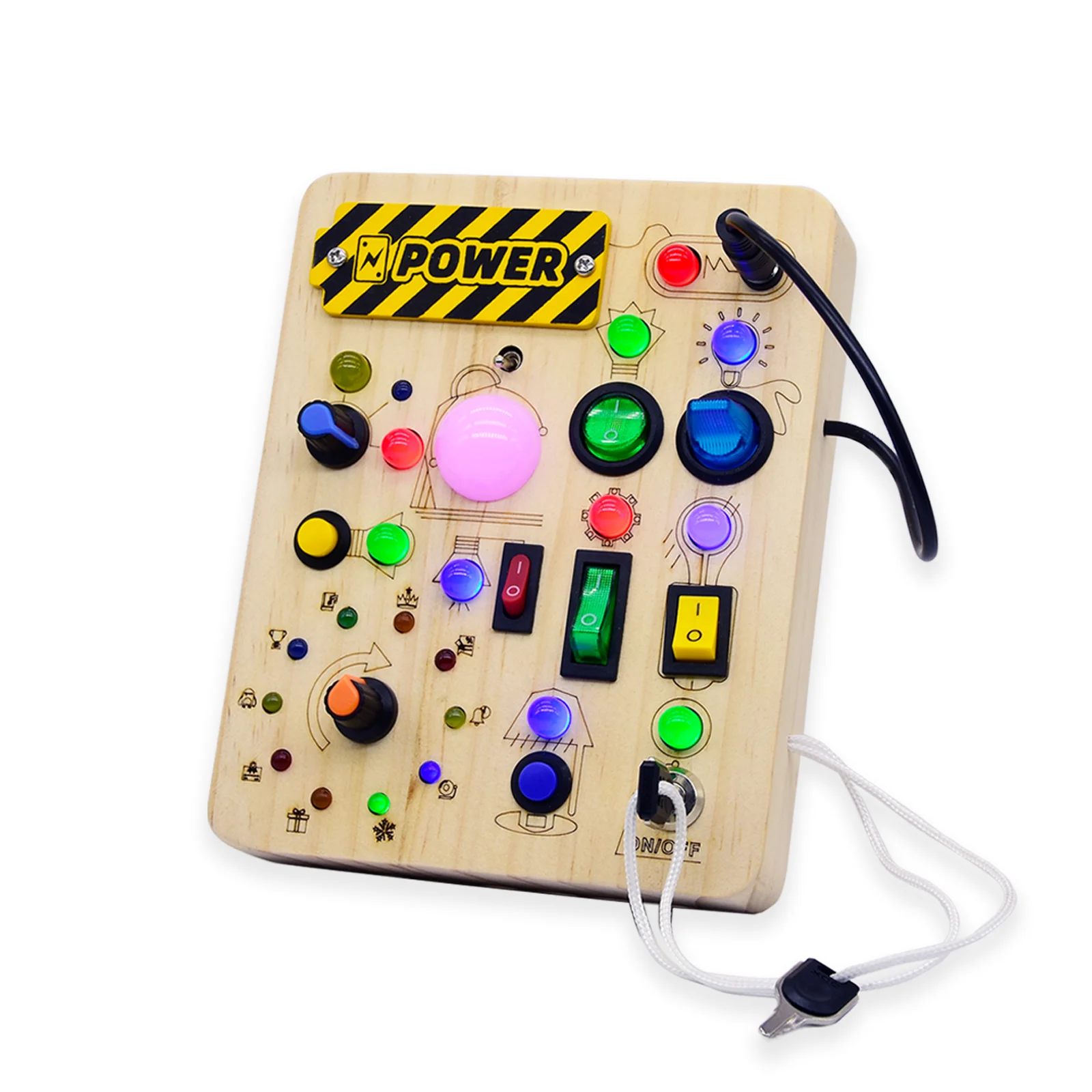
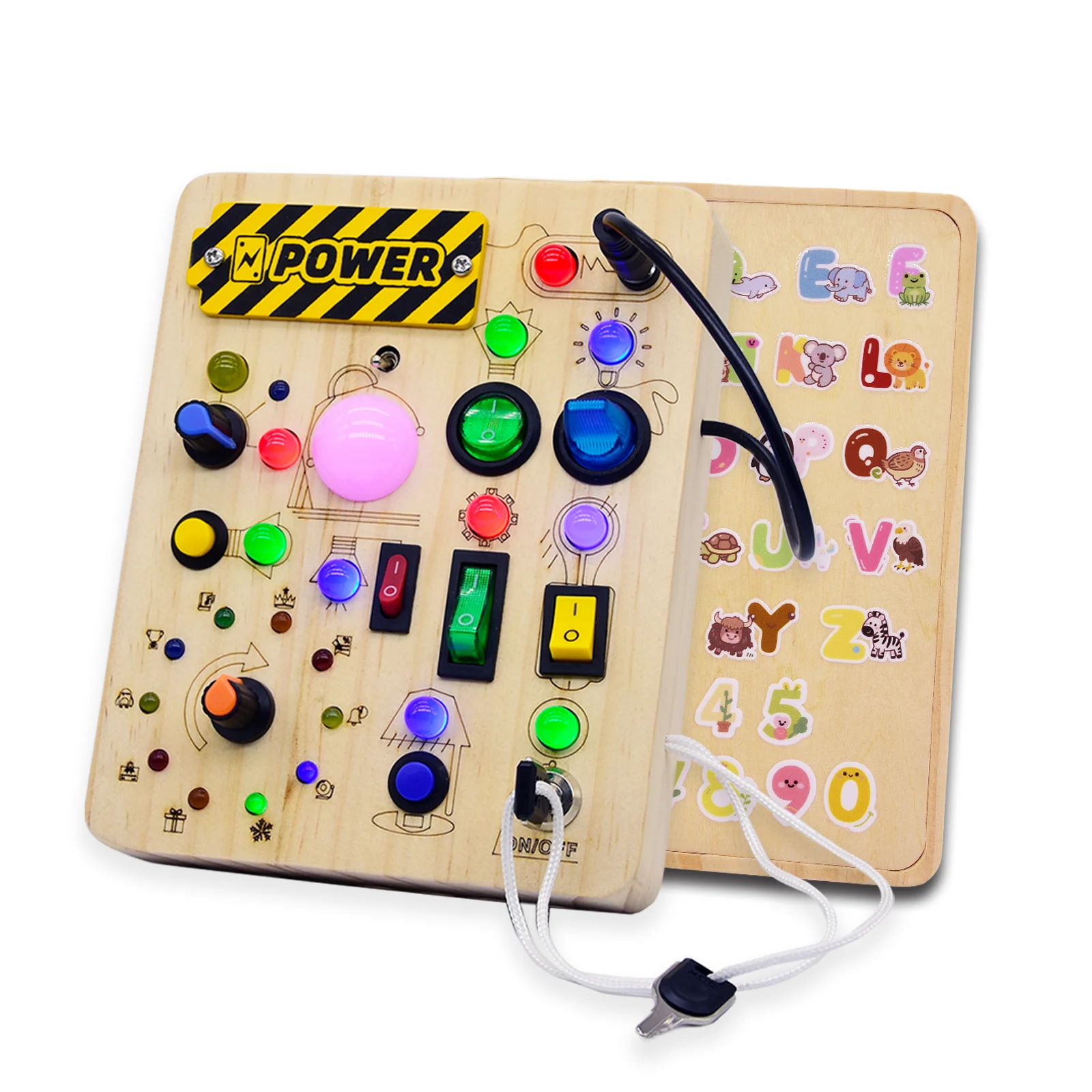
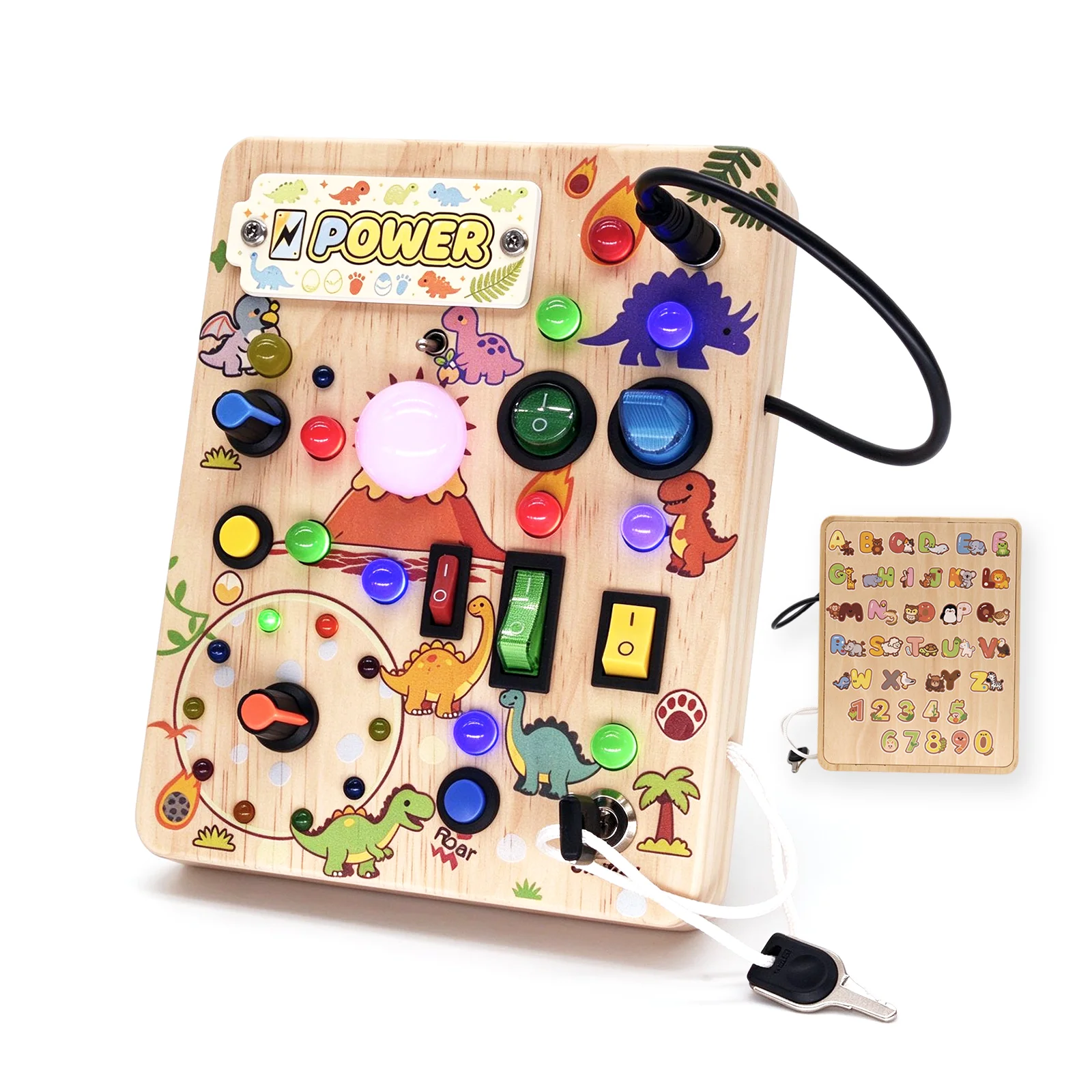
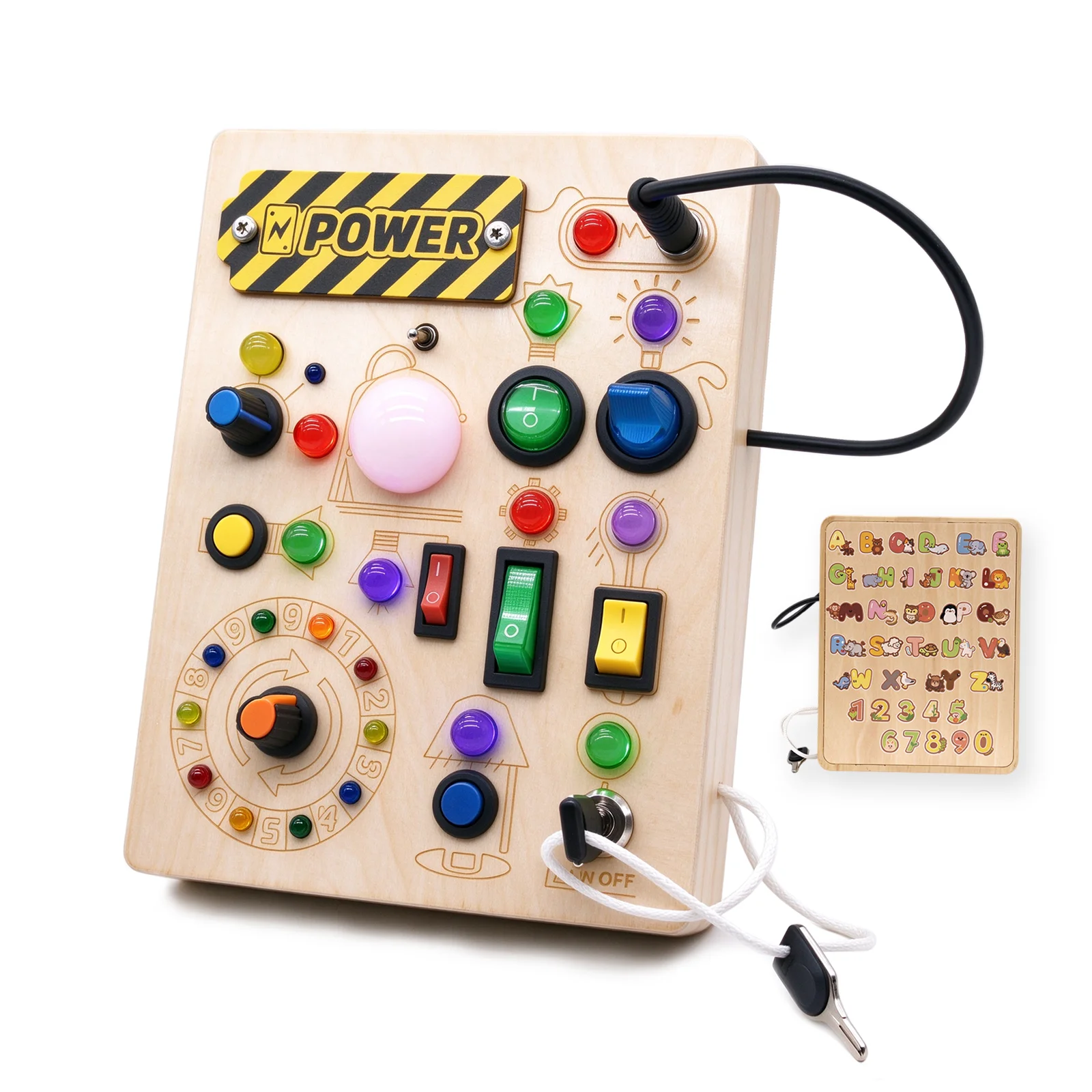
Our three models carry CE, CPC and ST documentation tied to the exact model ordered: easy to write, slow to earn, because the EU half of it turns on decisions made long before the container.
Quick facts
- EU standard set: EN 71-1 (mechanical), EN 71-2 (flammability), EN 71-3 (heavy metals) — plus EN 62115 on the LED board
- Core document: an EU Declaration of Conformity signed by the manufacturer or your EU importer, backed by test reports
- Retention: keep the declaration and technical file for ten years after the last unit is placed on the market
- Retest trigger: any change to wood, paint, switches or the light module
- Our models: Classic $8.90 · Alphabet $9.20 · Dino $9.50 FOB, MOQ 100, CE / CPC / ST on current versions
- Lead time: 15–25 days after deposit and artwork approval
Toy safety compliance starts with a responsibility statement, not a certificate
There is no EU office that issues a CE document for a toy, and no lab can certify you into compliance. The letters CE mean one thing: the person who placed the product on the EU market has drawn up a Declaration of Conformity and will stand behind it if anyone asks.
That person is the "manufacturer" in the directive's sense, and this is what importers underestimate. If the factory making the board has no establishment in the EU, the role very often lands on the importer who first places it on the market. You, not us, can end up as the responsible economic operator, with the duties that follow.
We are glad to be the technical source and to hold the test evidence. We cannot be the EU responsible party from Wenzhou, and no factory in our position can. Anyone who says their CE document covers your obligation while your name appears nowhere on it is describing a document with someone else's name on it.
The EU's product rules also expect a product sold into the market to have a responsible person established there, someone an authority can reach. For a toy that is usually the importer, or an authorised representative you appoint. So your first compliance decision is not which lab to use. It is who is going to be named.
The Declaration of Conformity, and who signs it
The DoC is the single document an authority asks for first, and the one most often missing or wrong. It is short, typically one page, and it has to connect four things: the responsible company, the exact product, the legislation, and the standards used to prove it.
What a usable EU Declaration of Conformity for a busy board should carry:
- the name and address of the manufacturer, or of the EU importer or authorised representative acting as the responsible party
- a description that identifies the toy precisely: model name, model number, and where relevant the batch
- a statement that the toy complies with the Toy Safety Directive 2009/48/EC
- the harmonised standards applied: EN 71-1, EN 71-2, EN 71-3, and EN 62115 for the LED version
- where a notified body was involved, its details, though a wooden board on harmonised standards usually self-declares without one
- the place and date of issue, and the name and function of the person signing
Who signs: someone who can legally bind the responsible party, the company named at the top of the document, not the test lab and not a trading company in between. A lab report is evidence; the DoC is the conclusion drawn from it.
Two things we tell every buyer. Ask for the DoC as a draft before you order and read the company name out loud; if it names a supplier you have never heard of, that is whose neck is legally on the line, not yours or ours. And if you are the importer with no EU company named above you, you are very likely the one who should sign. That costs twenty minutes, which is cheaper than discovering the gap at a border.
EN 71 part by part, and what a light-up board adds on top
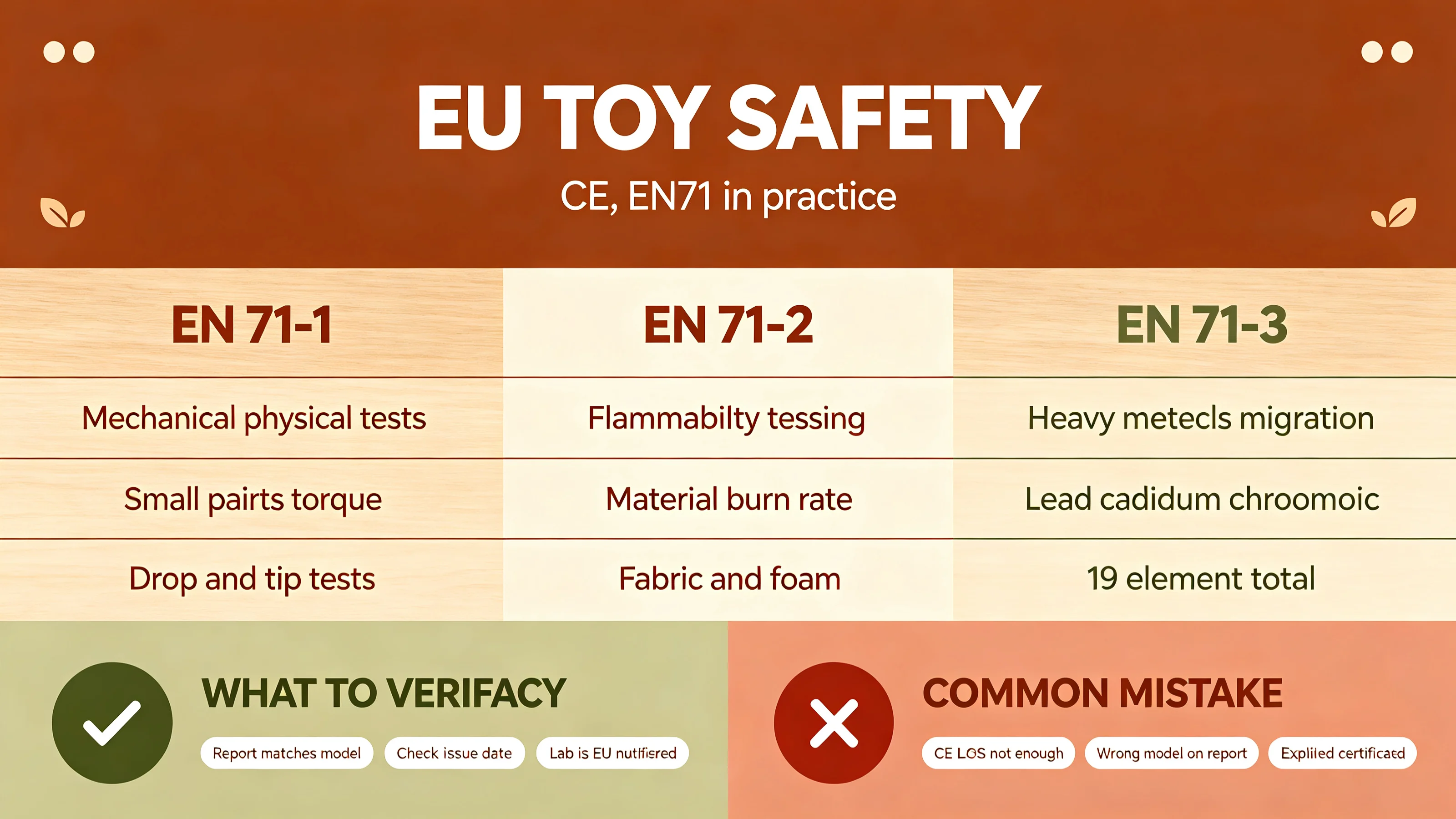
EN 71 is where the testing lives. The parts are not interchangeable, and having one is not having all three.
| Part | What it covers | Why a busy board cares |
|---|---|---|
| EN 71-1 | Mechanical and physical properties | Sharp edges, small parts, accessible points, and the retention of switches, knobs, screws and fasteners under pull and torque — the core test for a board with twelve moving pieces |
| EN 71-2 | Flammability | Applies to materials that can burn; relevant if you add felt, fabric or cord, less so for bare solid wood |
| EN 71-3 | Migration of certain elements | The heavy-metal limits that leach from paint, coatings and any part a child may mouth — the reason a paint change forces a retest |
A wooden busy board lives or dies on EN 71-1 and EN 71-3. The fixings test is the one buyers underestimate. A switch a determined three-year-old can work loose is a small-parts failure, not a cosmetic one, and it fails the model, not just that unit.
The LED version adds a layer the plain board does not have. An illuminated board is treated as an electric toy, which brings EN 62115 in alongside EN 71 — the safety standard for electric toys, covering the battery compartment, wiring, accessible live parts and the light module. Anything electronic also falls under the RoHS limits on hazardous substances and, where it can emit or be affected by electromagnetic interference, the EMC rules; a rechargeable cell or a radio function pulls in more again. None of it is exotic for a controller-driven board, but it is a second standard set to keep current. A supplier who quotes "EN 71 included" for a light-up board has usually under-scoped it.
We hold EN 71 evidence on the plain platform and EN 62115 evidence for the LED models, which is why we can say both without a caveat.
Test reports: the model number that has to match
This is where toy safety compliance is lost most often, and it is the easiest mistake to make. A supplier sends a PDF, the PDF carries the right logo, and it is genuine — for a different board.
A test report is issued for a defined sample: a model, with defined materials and components. The report that protects you names the model you are actually buying. A report for "wooden activity toy, sample", or for a sister model of the same shape, is worth nothing at the border, because the officer's question is not whether this is a safe type of toy. It is whether this specific product is covered.
Three checks, every time:
- Read the model number on the report against the model number on your order.
- Check the sample description matches your materials, pine versus beech, standard paint versus the low-migration coating.
- Check the date and the age grade in the report agree with what you plan to print on the box.
Reports carry no hard expiry stamp, but they expire in substance the moment the product changes. That is the retest trigger we flag most: change the wood, the paint or coating, the light module, the switch supplier, and the old report no longer describes the thing in the carton. The change may look cosmetic. To an authority reading the file, a new coating means the EN 71-3 result no longer applies to your product.
We say this honestly because it is also a cost we carry. Every material change on our line means re-testing before the new version ships with current paperwork, which is what keeps the report matching the model instead of trailing it.
What EU toy safety compliance asks of you under 2009/48/EC
The Toy Safety Directive 2009/48/EC is the law the CE mark points at. In practice it asks for a few habits rather than a single form.
It sets a general safety requirement: a toy must not endanger users when used as intended, and must suit the child's age. It sets chemical requirements, including migration limits for the heavy metals EN 71-3 tests. It expects the manufacturer to run a safety assessment before the toy goes on the market and to keep the technical documentation the declaration rests on, and to leave a batch or model reference that identifies the product if a problem surfaces later.
The technical file is the part importers picture wrongly. It is not one certificate but the folder behind the DoC: the product description, the materials and components list, the test reports, the safety assessment, the label artwork, and the standards applied. You do not send it to anyone at the start. You keep it, because it is what an authority requests when they decide to look and what your own defence rests on if they do — for ten years after the last unit goes on the market.
For our part, we supply the report set and the material details that feed that file. Assembling it, and signing the declaration that tops it, is the importer's half of the job, the half a purchase-price spreadsheet never carries a line for.
When a board fails: market surveillance and Safety Gate
The EU does not inspect every container. It samples, and it reacts. A national market-surveillance authority can buy a board off a shelf or a marketplace listing, test it, and act on what it finds. Toy safety compliance is verified after a product is on sale, not before it ships.
When a product is judged non-compliant or dangerous, the measures escalate: a request to correct the labelling or documentation, a demand to withdraw it from sale, and in serious cases a recall and destruction of stock, with the cost landing on the responsible operator. The EU also runs a rapid alert system, RAPEX, now branded Safety Gate, that circulates dangerous non-food products across member states. A listing names the product, its origin and the risk, and it is public — which is how one failure turns into delisting and refused onboarding downstream.
Two consequences matter for a buyer. The penalty is often the visible record as much as the fine. And enforcement reads paperwork: a safe board with a missing declaration and a mismatched report is still a fail, because from outside the authority cannot separate a paperwork gap from a safety one. The routine you build before the first order decides how that visit ends.
The mistakes we watch importers make
- The factory offers "their CE", and the DoC that arrives names the factory or its trading arm, not you — a document naming somebody else's responsibility.
- The report is genuine but belongs to a different model, or to the sample rather than the production version.
- Only EN 71-1 was done, and it is passed off as "EN 71". Mechanical testing says nothing about the paint, and nothing about a light-up board's electric side.
- The LED version ships on the mechanical report alone, with no EN 62115 evidence, because it "looked the same" as the plain board.
- The age grade on the box does not match the age grade in the report, so small-parts rules get applied to the wrong claim.
- No technical file exists at all, just a folder of loose PDFs the buyer never assembled.
None of these means the board is unsafe, but each is a toy safety compliance gap on paper. We have seen sound boards fail the paperwork, and the fix was a week and a lab visit, not a redesign — the expensive version is discovering it once the goods are on a shelf.
The file you keep and the label you print
What you hold as the importer
Keep the DoC, the full test reports and the technical file together, for ten years, in a form you can send within a day. This is your toy safety compliance file: one folder, not a drawer of loose PDFs. If an authority or a marketplace asks, speed is what reads as compliance.
| Document | Who produces it | What to check |
|---|---|---|
| EU Declaration of Conformity | Manufacturer or EU importer | Company named, model listed, standards cited, signature and date |
| Test reports (EN 71, EN 62115) | Accredited test lab | Model number and materials match your order; age grade matches the box |
| Technical file | Importer holds it | Complete enough to answer an authority within a day |
What has to be on the product and the box
The box and the board carry part of the legal load, and the wording is not decorative:
- the CE mark, applied legibly and not oversized relative to the product
- the age warning where it applies, in the standard form: for a board with small parts, the "not suitable for children under 36 months" statement alongside the crossed-out age symbol
- any specific warning the hazard calls for, such as a small-parts choking warning or battery handling and disposal notes on the LED version
- the name and address of the manufacturer or the EU importer as the responsible party
- a batch or model reference for traceability
- the official language of the market you sell into, which for a multi-country listing means more than English
We print to your market's requirement and will flag a label that looks short, but a label is only as good as the report behind it. A correct warning on a product whose report covers a different coating is a well-labelled problem.
Questions buyers ask us every week
Do I need a notified body for a wooden busy board?
Usually not. If the board is routed through the harmonised EN 71 standards with no unusual hazard, self-declaration by the manufacturer or importer is the normal path. A notified body matters only where there is no applicable standard, or a risk the standards do not cover — not routine for a board like ours.
Can my own company name be on the DoC even though you make the board?
In many EU setups, yes. If you are the importer placing it on the market and the factory has no EU establishment, your name is often exactly who belongs there, and we would rather you did that than reuse a declaration naming a stranger.
Whose report do I get if I order with my own paint colour?
A retest, on your colour, if the coating changes. A new paint means the old EN 71-3 result does not describe your product. If a supplier tells you a colour change needs no new testing, ask which report then covers the new coating.
How long are the test reports good for?
There is no fixed expiry, and that is the trap. They stay valid only as long as the product, materials and age grade stay exactly as tested. Change any of those and you need a fresh assessment, not a longer look at the old PDF.
If I only sell on a marketplace, is this still my problem?
More, not less. Marketplaces increasingly ask for the declaration and reports at listing time and can delist for a missing or mismatched file. The EU import process runs on the same documents whether you sell to a shop or a screen. Duty and landed cost on the HS code and import duty side is a separate line worth sizing at the same time.
What we'd do in your position
Before the deposit, ask the factory three things and keep the answers: the DoC draft with the responsible company named, the test reports carrying the model number you are ordering, and the materials list that feeds your technical file. When all three line up, you have the EU stack, and the rest is logistics: packaging, packing and shipping, and the container.
If you are the importer with no EU company above you, decide early that you are the responsible party and sign accordingly. Borrowed declarations are the exact documents that fail on the day they are tested.
We would rather answer the toy safety compliance questions before you order than explain a retest after. Send us your target market, your age grade and whether you are buying the LED version or the plain one, and we will send back the document set that matches — with the model numbers on the reports matching the model numbers on your order.