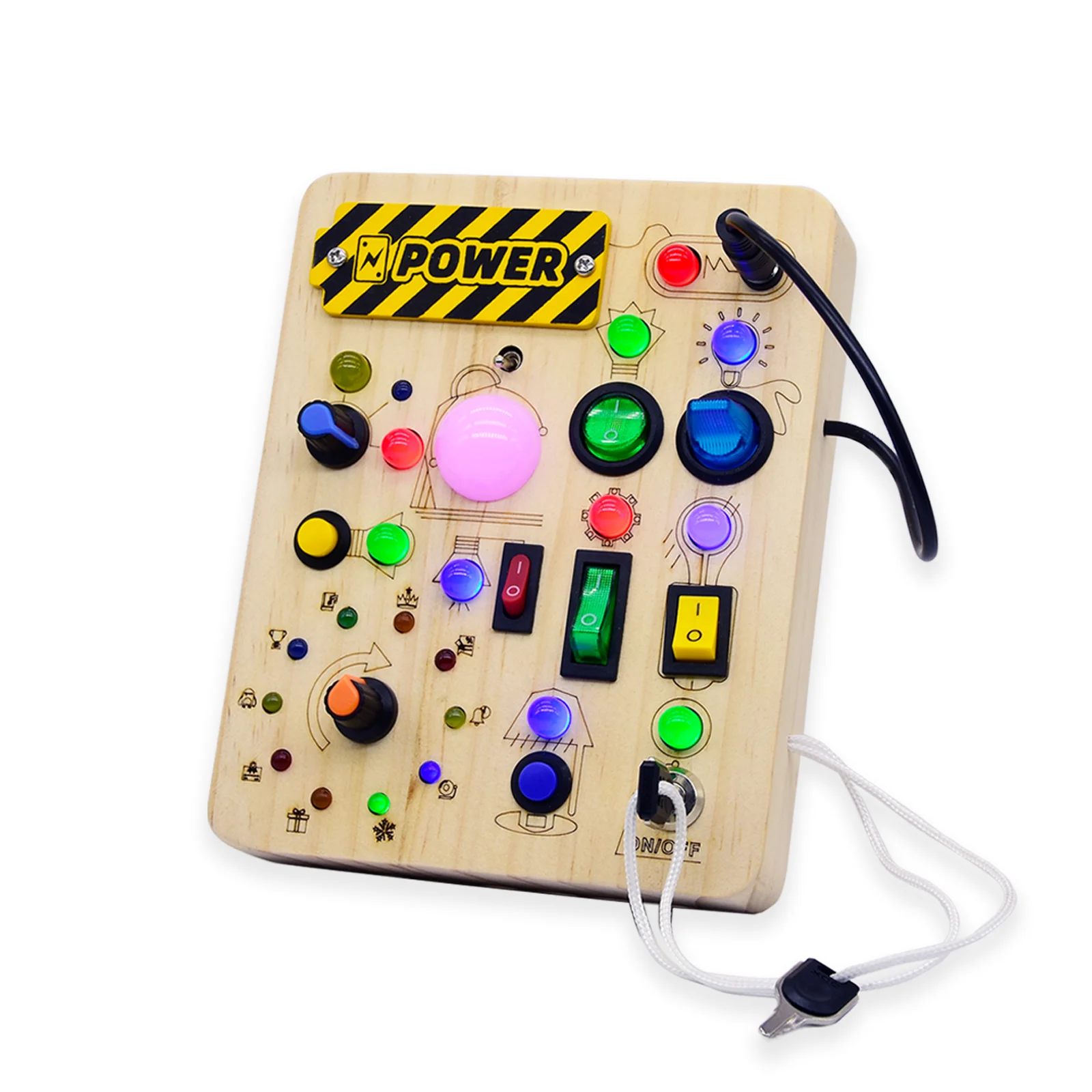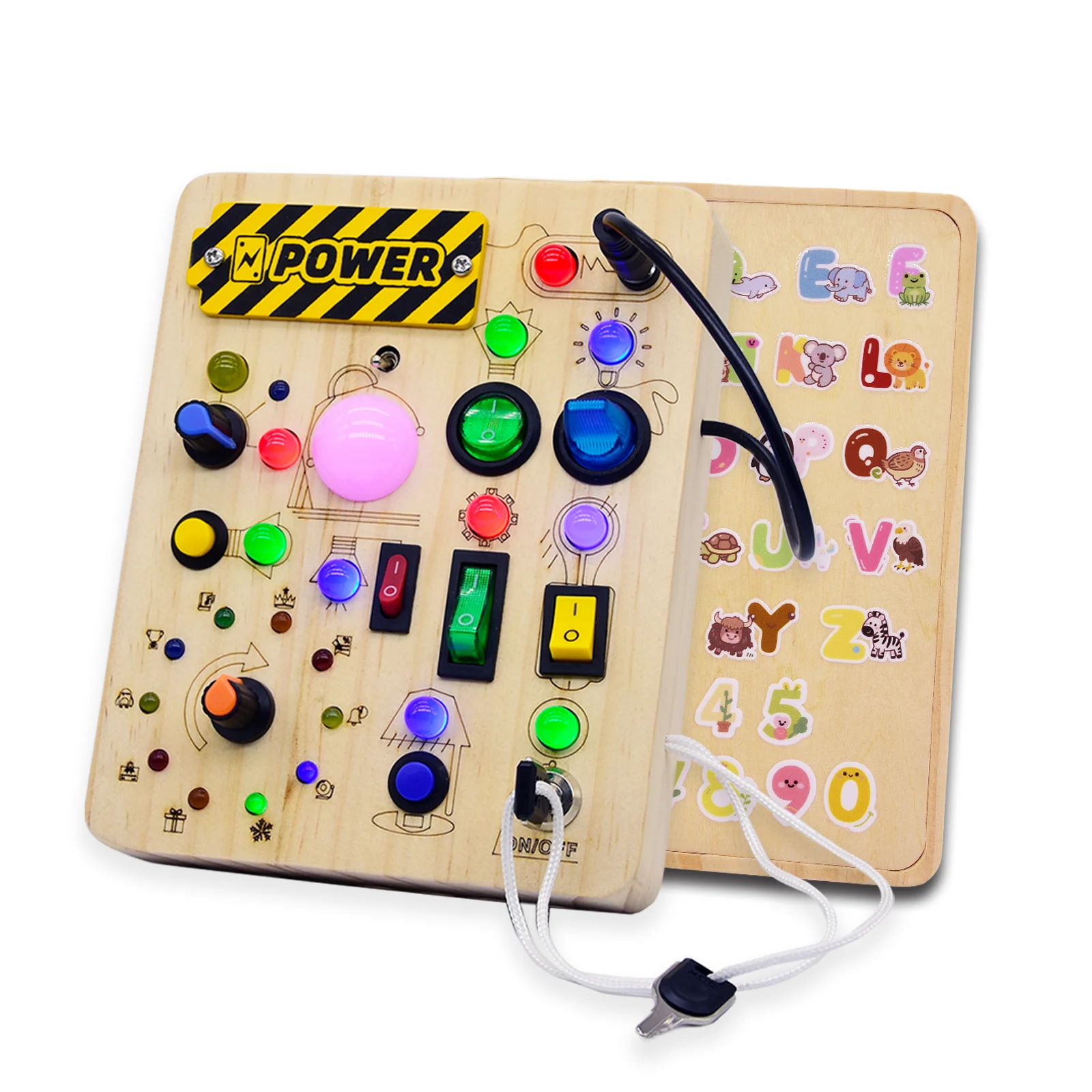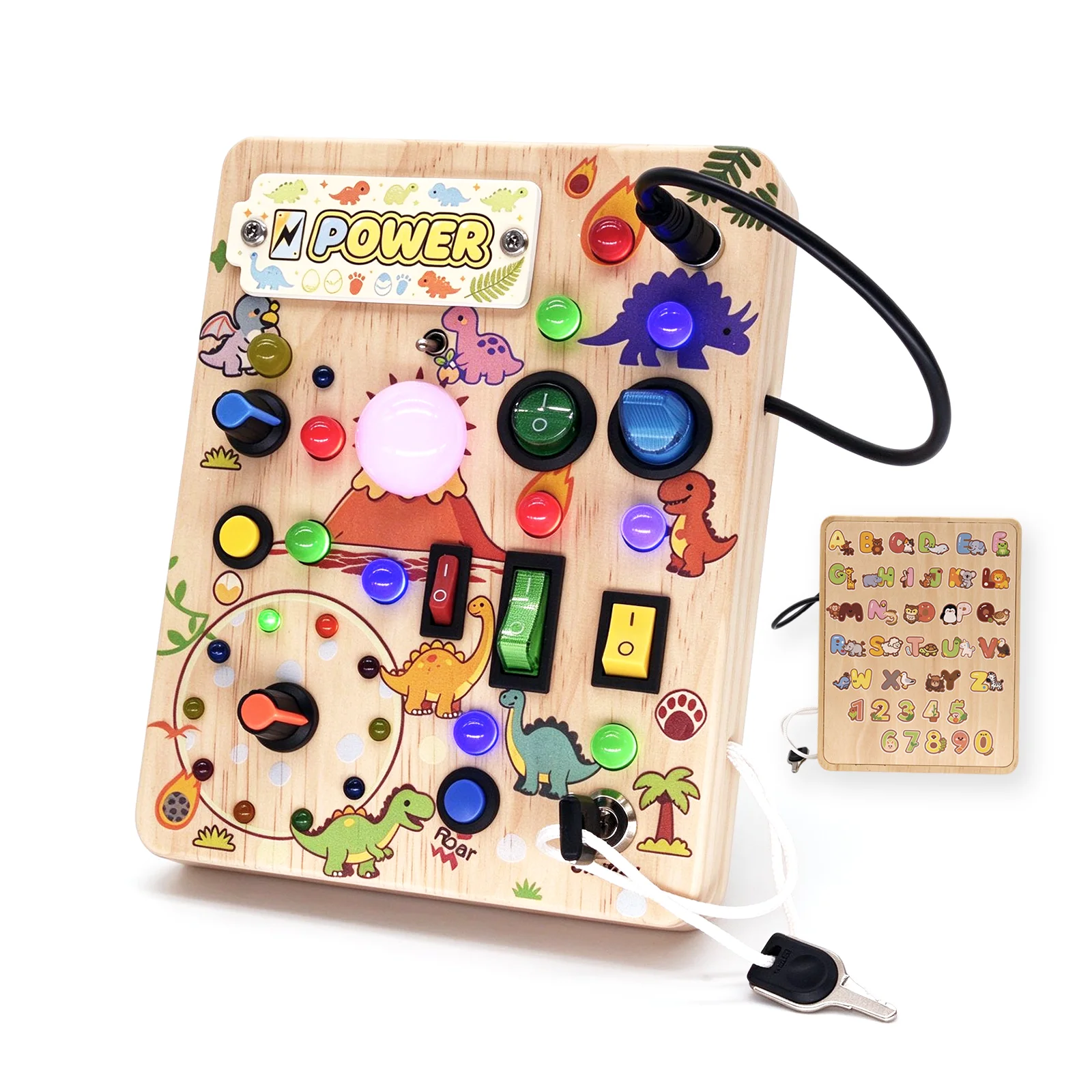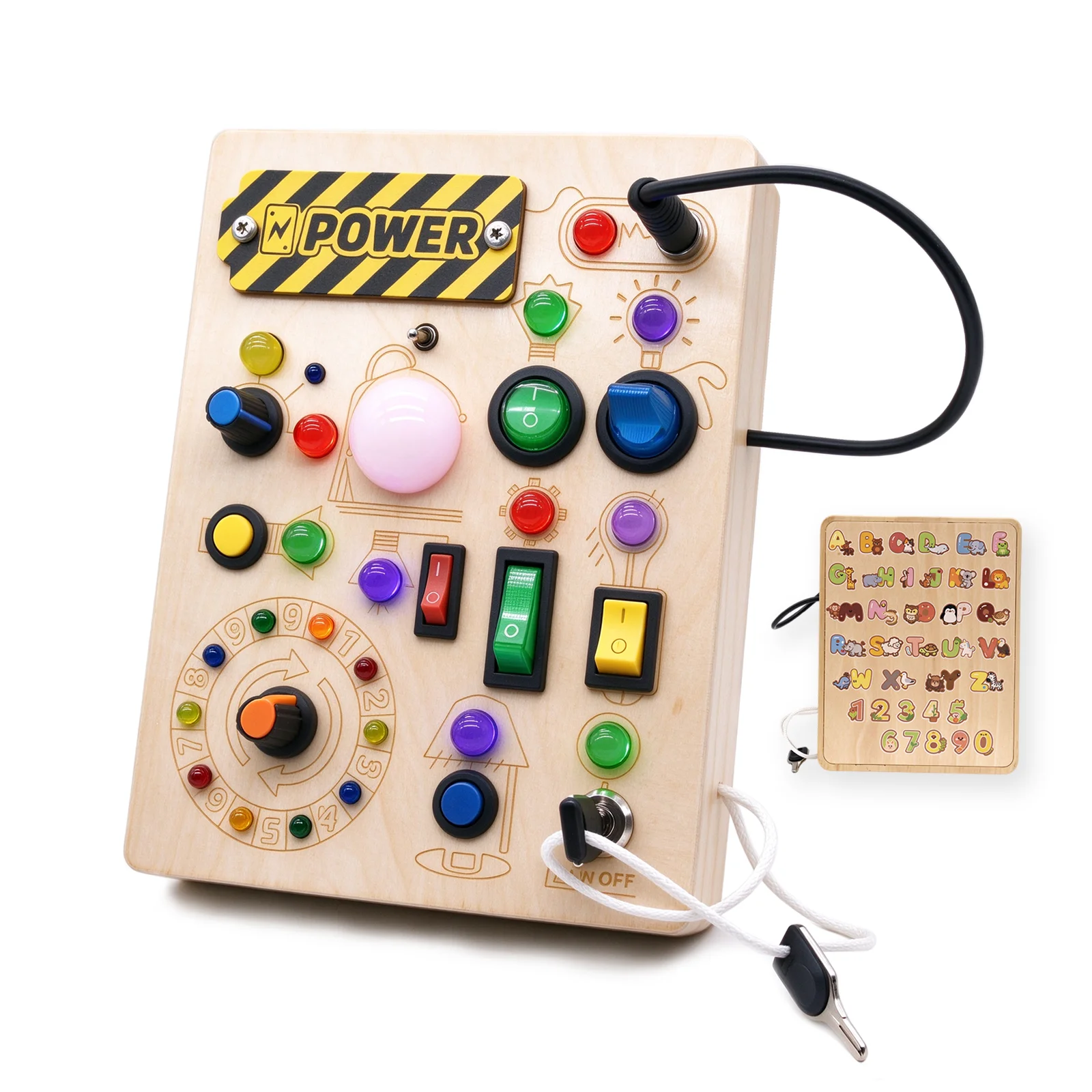
The short answer for buyers already holding a budget line: a Montessori board sells through two very different channels — retail (an impulse gift a parent picks up) and institutional (equipment bought on a plan, against a curriculum, for a fixed start-of-term date). The first is fast and emotional; the second is slow, documented and decided by a committee. Here is how the institutional channel works, and the numbers we run at our own factory in Wenzhou, China.
Snapshot for institutional buyers
- MOQ: 100 pcs per model (standard); 200 pcs for a custom design or laser engraving; 500–1,000 pcs for full OEM
- Samples: 1–10 pcs in 3–7 days; sample cost credited against the first bulk order
- Bulk production: 15–25 days after deposit and artwork sign-off
- Certification: CE / CPC / ST reports for current models, built on EN71 and ASTM F963
- Indicative FOB: USD 8–10 per unit at MOQ
- Track record: 1,221,200 boards shipped, 15+ export countries, 98% on-time delivery
What a Montessori board is, and why institutions are buying now
A Montessori board is a wooden panel with real household mechanisms mounted on it — switches, latches, hooks, laces, rotating knobs. The child is not "playing with a toy" but practising real adult actions, independently, without a screen. Three properties matter to an institution more than any retail selling point. Autonomy: the child chooses what to touch and gets instant feedback, which cuts the teacher's load across a group and is why nurseries buy by the case. No screen: a wooden board is entirely offline, with switches that work without batteries — the defining institutional argument of 2026. Fine motor skills: latches, hooks and rotating parts train grip and hand-eye coordination, the abilities early-years curricula place before writing and counting.
Busy board vs Montessori board: the distinction that matters in a tender
A busy board is a form — a panel with mounted mechanisms. Montessori-oriented describes how the material works. Write these lines into the specification:
- the child explores alone, with no host voice or sound rewards;
- mechanisms are real — a toggle switch, not a printed picture;
- there is no digital layer, no screen, voice or app;
- the finish stays calm, so it does not compete with the action.
Institutional procurement vs retail: why a nursery order is not a shelf order
A shop buys "for the shelf" and watches packaging, turnover and reviews. An institution buys "for the programme" and watches curriculum fit, group safety, and the documents it can present to a committee.
| Criterion | Nursery / centre procurement | Retail / marketplace procurement |
|---|---|---|
| Who decides | Pedagogical lead, head of centre, tender committee | Category manager, buyer |
| Logic of the purchase | Fit with programme and group equipment | Turnover, shelf space, seasonality |
| Volume and rhythm | 20–200 pcs per site, planned | Larger, but tied to season and stock |
| What is critical | Documents, batch consistency, safety | Packaging, barcode, presentation |
| Main risk | Missing the start-of-year date | Dead stock and markdowns |
| Acceptance | Committee, spot checks, photo report | Warehouse, count-in, display |
Do not mix the two lots: an institution needs documents and uniformity, a shop needs packaging and a mix.
The budget cycle, tenders and split deliveries
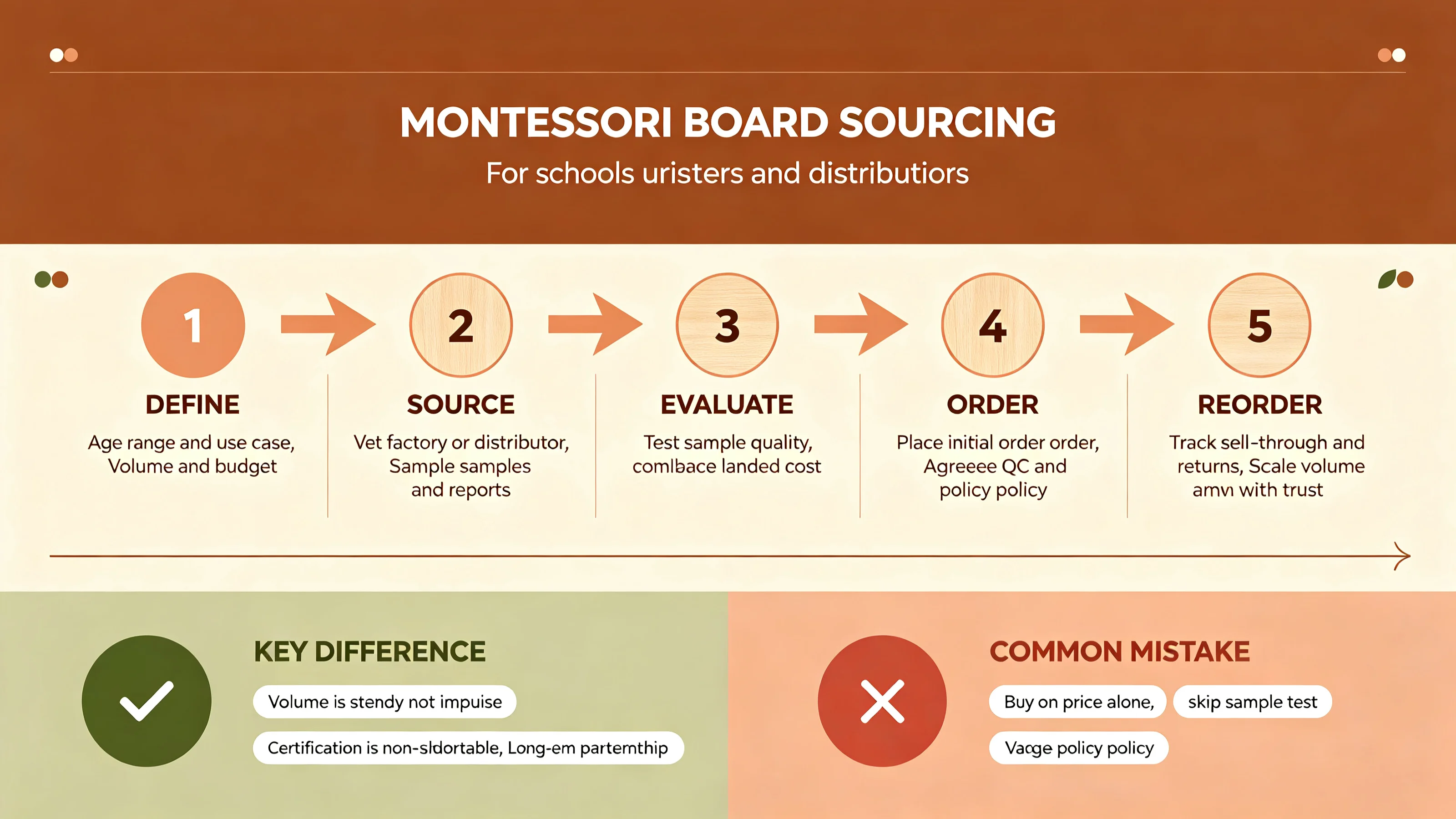
Institutional purchasing runs on the budget year: the equipment request is drawn up three to six months before term, then goes through a quotation round or a tender. A tender submission should carry a specification (wood species, solid or veneered, switches and light patterns, dimensions, weight), photos of the actual product, test reports, a confirmed shipping date, and payment terms — deposit plus balance.
Split deliveries. Most schools cannot store a year's order at once, and budgets release funds in stages. Offer a schedule that ships in agreed tranches against one confirmed order: the per-unit price stays fixed, but the school receives boards as its rooms and budgets open up. This wins more institutional contracts than price does.
Acceptance and timing. The committee checks edge sanding (no splinters), absence of glue odour, every switch, completeness and marking; build a right to spot checks and a pre-dispatch photo report into the contract. The school year starts on a fixed date, so a tender is won on a confirmed shipping date, not unit price. On our line a bulk batch leaves 15–25 days after deposit and artwork sign-off; it is artwork approval, not production, that eats the schedule.
Range and MOQ: building a wholesale educational toys order
Educational toys wholesale is not one SKU but a matrix. Our range runs on a single platform — 12 switches and 23 LED light patterns on every board, shared materials and electronics — giving an institution a uniform batch and a shop a simple listing.
| Model | Feature | Indicative FOB |
|---|---|---|
| Classic | base LED board, 12 switches / 23 LED patterns | ~USD 8.90 |
| Alphabet | A–Z and 0–9 laser-engraved on the reverse | ~USD 9.20 |
| Dino | dinosaur on the front panel | ~USD 9.50 |
Thresholds: 100 pcs per model for the standard catalogue — the first Montessori toys wholesale order for most shops and smaller centres; 200 pcs for a changed design or laser engraving; 500–1,000 pcs for full OEM with your own packaging and branding. Indicative FOB is USD 8–10 per unit at MOQ, depending on specification, board size and printing, so treat it as a starting band, not a quotation. Samples ship in lots of 1–10 pcs within 3–7 days, and the sample charge is credited against the first bulk order. The full range is in the products section.
Certification and safety: CE, CPC, ST
This is the line that most often derails a launch. CE is mandatory to place a toy on the EU/EEA market, CPC is the children's certificate required in the US, and ST is the toy safety mark in Japan. Our current models carry ready CE, CPC and ST test reports, built on EN71 and ASTM F963 — but do not take any supplier's word for it, including ours: request the documents and check the model numbers and issue dates. For emerging-market importers — Southeast Asia, the Middle East, Latin America, Africa — the regime varies, but the pattern is consistent: the factory supplies the documentation package and samples for conformity filing, and the resident importer completes the local registration.
Material is part of safety. We use solid natural wood, not plywood with a veneer, and rounded sanded edges: veneer delaminates, glue gives off odour, an unfinished edge leaves splinters. We went deeper into why the material matters more than the price.
Packaging and logistics for institutional and emerging-market importers
Route and packaging set your landed cost as much as the FOB price does. Ship by sea for volume, by rail or road for landlocked markets, by air only for samples and urgent top-ups. Customs paperwork includes the commercial invoice, packing list, contract, certificate of origin, and the correct HS code for wooden toys — a wrong code holds a shipment at the border longer than the transit itself.
On packaging, two things quietly eat margin: "bag" packing and a badly sized carton. A wooden board is flat and compact, so the gain is in how many units fit a carton and whether that carton lands on a standard pallet without wasted space. We support colour-printed boxes, your own barcode and private label — turning a carton of boards into a shelf-ready unit with no repacking at the warehouse.
How to choose a factory: six questions
- Solid wood or veneer? Can the supplier send the material spec in writing?
- How many switches and light patterns? The number must match the physical sample, not the photo.
- Which test reports, and to which standards? Ask for the documents.
- What is in the packaging? Barcode, marking, instructions, master carton.
- What drives the lead time? A supplier who quotes a date without mentioning artwork approval has not run OEM.
- Who files your market's conformity documents? The factory supplies, the importer files.
Common first-order mistakes
- Ordering off a photo, without a sample. Photos hide edge finish, switch feel and glow quality.
- Ignoring certification. No document, no placement with a school or a marketplace.
- Packaging in a "bag." Repacking at the warehouse costs more than printing a box at the factory.
- Mixing "nursery + shop" lots. Different requirements, configurations and losses.
- Batteries included with no need. Cells add a shipping hazard class and extra paperwork.
Next step
The fastest route to an answer is a physical sample: Montessori board wholesale starts not with the price but with checking the edges, the switches and the glow. Pick a model, give us the destination market and the volume, and we will send both the sample and the certification pack. Write to us with your market and your programme, and we will come back with pricing at MOQ, lead times and packaging options.
- View the full range: Montessori-oriented developmental boards
- Request a quote or sample: contact us
- Read next: why the material drives your returns rate
Related reading
- wholesale buyer's guide — importers and distributors
- dementia and elderly care boards — a fast-growing adjacent segment
- Montessori-inspired play and cognition — the pedagogical case